Tuesday, April 28, 2020
Stay at Home Causing an Increase in Heel Pain
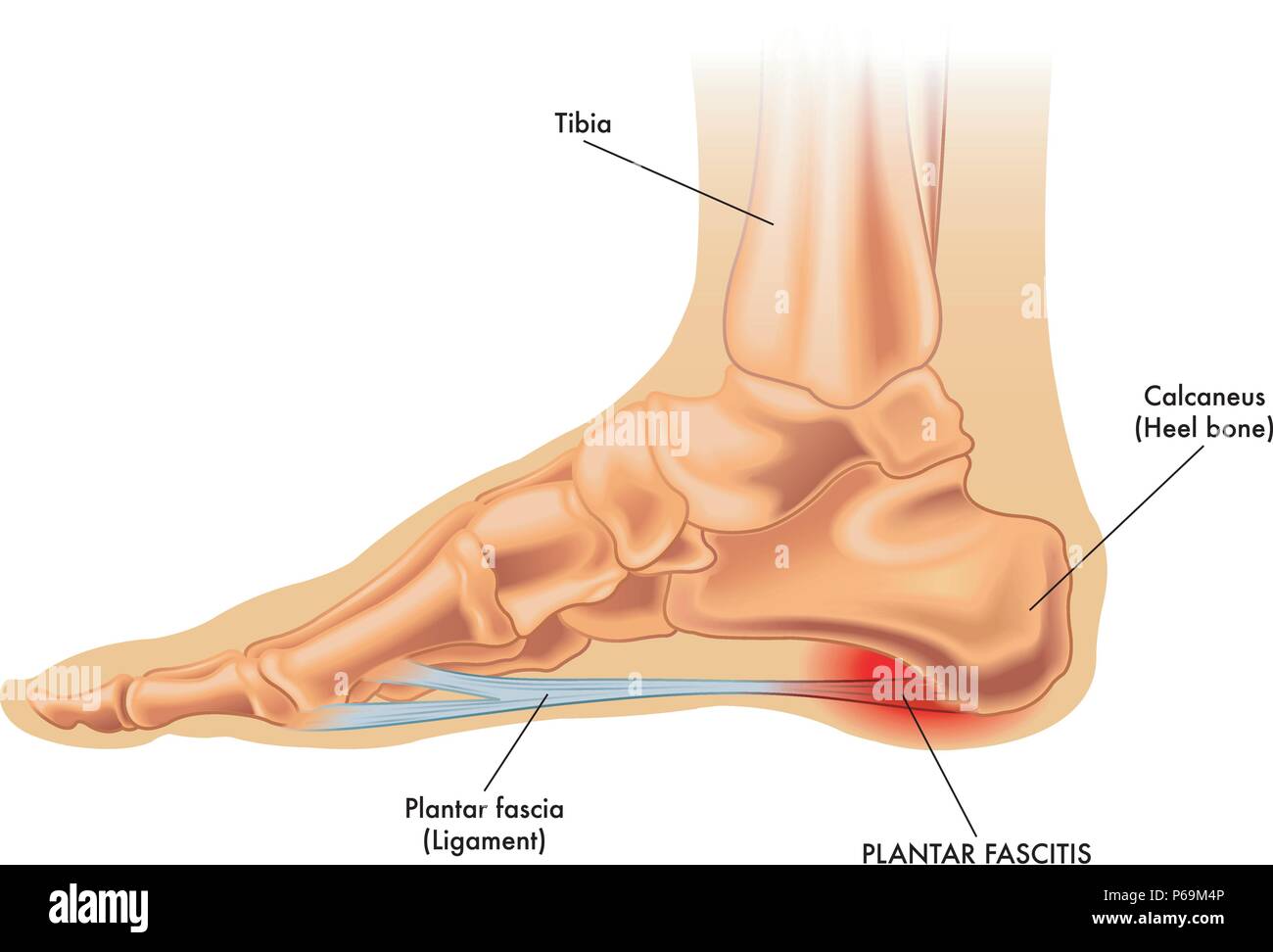
Do you suffer from heel pain and it has it worsened since you have been stuck at home? We have some tips for you! Most often, heel pain on the bottom of the heel is due to plantar fasciitis or plantar fasciosis. Either condition causes pain where the large ligament, the plantar fascia, attaches to the bottom of the heel bone. So many people have had an increase in pain recently, especially those that are at home not wearing shoes. Shoes with an enclosed heel provide much needed support so its best to wear your sneakers or other shoes with a stiff heel counter as much as possible, even while you are indoors. Doing runners stretches that stretch the Achilles tendon along with physically (using your hands) bending the toes toward the knee helps stretch the plantar fascia. Please do not go too long with heel pain without getting medical help. While it may start out as inflammatory (plantar fasciitis), the problem can develop into a more chronic one (plantar fasciosis) which is much more difficult to resolve. Many podiatrists are considered essential and are open for injuries and other painful conditions.

Friday, April 24, 2020
Don't be Scared to Take Care of Your Health Needs even with Covid-19 Still Present!
"I can still bear weight, so it must just be a bad bruise" said my friend when she sent me this photo of her painful, swollen and bruised foot resulting from a pancake griddle catastrophe over a week ago! So many things wrong with this statement!
First of all, just because you can bear weight doesn't mean there isn't a fracture. Some bones of the foot and ankle do not bear weight so they may not be very painful when you stand on them. Some bones fracture where the tendons attach so they may only be painful when you walk, not when you stand. And some bones break in places that are only vaguely painful. BUT if there is an injury that has swelling and bruising after a week, you must get an x-ray to rule out a fracture!
Why do you need to rule out a fracture if there is no pain you ask? Because not all fractures will heal properly on their own, especially in the feet because your feet support your full body weight and are subject to many different forces. Because some fractures may not heal at all if they are in an area that does not have adequate oxygenation. Because some fractures heal in abnormal positions that will affect the function of your feet (and ambulation) down the road. So don't wait!
Yes, we are all worried about contracting Covid-19, but many podiatry offices are open for urgent and essential needs. Injury is considered an essential health care need. So PLEASE see a podiatrist if you have an injury, especially one that results in swelling for more than a few days!
First of all, just because you can bear weight doesn't mean there isn't a fracture. Some bones of the foot and ankle do not bear weight so they may not be very painful when you stand on them. Some bones fracture where the tendons attach so they may only be painful when you walk, not when you stand. And some bones break in places that are only vaguely painful. BUT if there is an injury that has swelling and bruising after a week, you must get an x-ray to rule out a fracture!
 |
| Cute Sandals! |
Why do you need to rule out a fracture if there is no pain you ask? Because not all fractures will heal properly on their own, especially in the feet because your feet support your full body weight and are subject to many different forces. Because some fractures may not heal at all if they are in an area that does not have adequate oxygenation. Because some fractures heal in abnormal positions that will affect the function of your feet (and ambulation) down the road. So don't wait!
Yes, we are all worried about contracting Covid-19, but many podiatry offices are open for urgent and essential needs. Injury is considered an essential health care need. So PLEASE see a podiatrist if you have an injury, especially one that results in swelling for more than a few days!
Wednesday, April 22, 2020
Women's Feet After Menopause
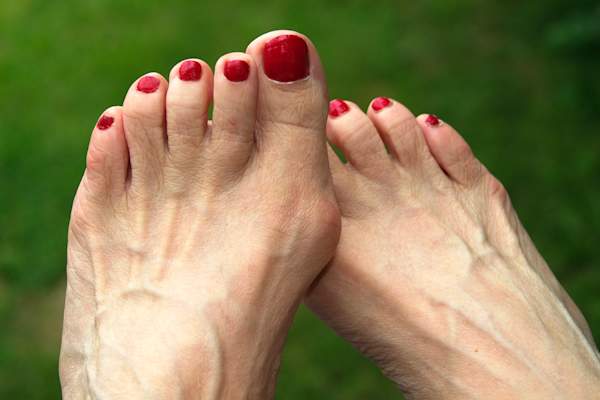
Does the ball of your feet cause you pain when you walk or wear certain shoes? Do you feel that your arch is falling as you get older? Do you feel that your bunions and hammertoes are becoming more painful? Is your skin more dry and calloused? Menopause may be the culprit! Hormones have major effects on our bodies, including our feet. Both in pregnancy and after menopause, foot problems develop in many women.
See the article that I was interviewed for here.
See the article that I was interviewed for here.
Sunday, April 12, 2020
COVID 19 Signs in the TOES of People Without Symptoms
COVID 19 manifestations are now seen in young people, including kids, that are otherwise asymptomatic. Due to the changes in the arteries and clotting issues, a variety of changes are showing up in the toes.

 Discoloration, small sores and even just signs that look like an ingrown nail may be present. Please keep an eye out for these changes in your kids and in younger adults. It could be a sign that they ARE infected even thought they may not have any respiratory symptoms.
(thank you to the mom's podiatry group for photos with permission).


(thank you to the mom's podiatry group for photos with permission).
Wednesday, January 2, 2019
Dancing in the New Year! Resolutions Your Feet Will LOVE
As the countdown to the New Year fades and we retire the "special event" heels for another year, it's time to think about what resolutions you can make to start the year on the right foot!
Okay, on the left foot too. After weeks of holidays and parties, the start of the year is a perfect time to give your feet a rest. Below are five resolutions to help give them the pampering they deserve.
Give your toenails a breather.
Unless you have a mid-winter warm weather trip planned, January is the perfect time to evaluate the health of your toe nails. Remove the polish and let the nails breath! Look for any white spots or yellow discoloration. Fungus often hides behind the veil of polish and it's important to identify the infection early for the best chance of successful treatment. Laser treatments, combined with topical treatment, will give you the best odds of getting rid of the fungus in time for summer.
Protect your fascia from the strain and gain!
The plantar fascia is the tissue that lies on the bottom of your feet running from your heels to the balls of your feet. Strain and stress on the tissue is common with preparations for holidays including extra shopping and cooking. Speaking of holiday cooking, stress is also increased with the weight gain that may come along with it. Plantar Fasciitis is the common term used for strain of the fascia and presents itself as heel or arch pain. At home treatments including stretching and wearing shoes with supportive heels but the pain can be stubborn and used to require surgery. Good news is there are now many new less invasive treatments if your heel pain doesn't go away on its own!
Have your other resolutions be supported by your foot wear!
If you have resolved to be more active, make sure you are wearing the proper foot wear. Running is the easiest sport to take on but its important to make sure you are wearing running shoes which are designed for heel to toe motion. Running shoes are also the perfect shoe for athletic walking because they padding and provide ample room for the toes. Court sports, however, require shoes that allow for side to side motion so tennis shoes have a defined purpose and are not just a type of casual foot wear. Finally, for those that take to the hoops, basketball shoes are designed with added stability for the ankle. As you begin your new sport, remember: foot pain is never normal. Increased activity can result in stress on the bones and tendons, and ligaments are prone to sprains. Get checked out if pain remains after a day or two of rest, elevation and icing an injury.
Give your high heels a break.
The best part of winter is that many styles of boots are either flat or with a lower heel. High heels put constant pressure on the ball of the foot - over seven time the normal pressure with heels as low as three inches. Wearing shoes with lower heels will allow the balls of the feet (specifically the metatarsal heads) a chance to rebound from the stress and strain that is placed on the soft tissues surrounding the area. Common injuries to this area due to high heels include bursitis, torn ligaments, displacing the natural padding and stress fractures.
Give your own heels a break.
Winter brings on dry, cracked heels. Partially due to the dryness of the cold winter air; but also due to friction that occurs on our heels in boots and other shoes that may not provide enough heel support. Treating dry cracked skin is important before the cracks deepen and develop fissures which may become infected. I recently read a beauty tip to crush aspirin to use in a lotion. It sounds crazy but aspirin has acetic acid and acids are used to help get through the dryness. A much better solution is to treat the skin with a prepared acid-based lotion including those with lactic, salicylic or hyaluronic or glycolic acids. These lotions and creams will exfoliate the dry skin to different degrees. As always, be sure to discuss any treatments of the feet with your podiatric physician to make sure they are appropriate - especially if you are a diabetic or have circulatory problems.
Here is to a starting the New Year with Health Feet!
Okay, on the left foot too. After weeks of holidays and parties, the start of the year is a perfect time to give your feet a rest. Below are five resolutions to help give them the pampering they deserve.
Give your toenails a breather.
Unless you have a mid-winter warm weather trip planned, January is the perfect time to evaluate the health of your toe nails. Remove the polish and let the nails breath! Look for any white spots or yellow discoloration. Fungus often hides behind the veil of polish and it's important to identify the infection early for the best chance of successful treatment. Laser treatments, combined with topical treatment, will give you the best odds of getting rid of the fungus in time for summer.
Protect your fascia from the strain and gain!
The plantar fascia is the tissue that lies on the bottom of your feet running from your heels to the balls of your feet. Strain and stress on the tissue is common with preparations for holidays including extra shopping and cooking. Speaking of holiday cooking, stress is also increased with the weight gain that may come along with it. Plantar Fasciitis is the common term used for strain of the fascia and presents itself as heel or arch pain. At home treatments including stretching and wearing shoes with supportive heels but the pain can be stubborn and used to require surgery. Good news is there are now many new less invasive treatments if your heel pain doesn't go away on its own!
Have your other resolutions be supported by your foot wear!
If you have resolved to be more active, make sure you are wearing the proper foot wear. Running is the easiest sport to take on but its important to make sure you are wearing running shoes which are designed for heel to toe motion. Running shoes are also the perfect shoe for athletic walking because they padding and provide ample room for the toes. Court sports, however, require shoes that allow for side to side motion so tennis shoes have a defined purpose and are not just a type of casual foot wear. Finally, for those that take to the hoops, basketball shoes are designed with added stability for the ankle. As you begin your new sport, remember: foot pain is never normal. Increased activity can result in stress on the bones and tendons, and ligaments are prone to sprains. Get checked out if pain remains after a day or two of rest, elevation and icing an injury.
Give your high heels a break.
The best part of winter is that many styles of boots are either flat or with a lower heel. High heels put constant pressure on the ball of the foot - over seven time the normal pressure with heels as low as three inches. Wearing shoes with lower heels will allow the balls of the feet (specifically the metatarsal heads) a chance to rebound from the stress and strain that is placed on the soft tissues surrounding the area. Common injuries to this area due to high heels include bursitis, torn ligaments, displacing the natural padding and stress fractures.
Give your own heels a break.
Winter brings on dry, cracked heels. Partially due to the dryness of the cold winter air; but also due to friction that occurs on our heels in boots and other shoes that may not provide enough heel support. Treating dry cracked skin is important before the cracks deepen and develop fissures which may become infected. I recently read a beauty tip to crush aspirin to use in a lotion. It sounds crazy but aspirin has acetic acid and acids are used to help get through the dryness. A much better solution is to treat the skin with a prepared acid-based lotion including those with lactic, salicylic or hyaluronic or glycolic acids. These lotions and creams will exfoliate the dry skin to different degrees. As always, be sure to discuss any treatments of the feet with your podiatric physician to make sure they are appropriate - especially if you are a diabetic or have circulatory problems.
Here is to a starting the New Year with Health Feet!
Wednesday, December 26, 2018
Why are “Heel Spurs” Important When it Comes to Military Service?
The
New York Times released an article today
that claims President Trump was given the diagnosis of “heel spurs” so he would
be exempt from military service. Putting
aside the ethical, moral and political components of this story; one might
wonder why heel spurs would disqualify someone from service.
A heel spur is actually an abnormal outgrowth
of bone of the calcaneus (heel bone). They
may occur on just one foot or both. The
tissue on the bottom of the foot called the plantar
fascia attaches to the bottom of the heel bone and when stressed, can produce
a spur of the bone due to the traction that is occurred with the stress of the
fascia attachment. It is the plantar fascia that actually causes
the pain.
Heel pain is VERY common. One estimate is that there are 5 million
Americans that have heel pain at a given time. Approximately 35-40% of patients
at Family Podiatry Center present with the complaint of heel pain.
Plantar fasciitis developed as a
diagnosis to more accurately define the source of the pain over time and it
takes on definite course with consistent symptoms of pain in the morning and
after periods of rest. More recently, some podiatric physicians that specialize
in heel pain recognize that there are two forms of plantar fasciitis including
a chronic version called plantar fasciosis.
The plantar fascia is much easier
to treat before it becomes chronic and it’s important to seek
treatment from a qualified podiatrist once the pain cycle changes. Chronic plantar fascial damage will not respond
to the traditional treatments and may require regenerative medical treatments.
So why did “heel spurs” exempt people from military service? Aside from being very painful, heel pain was often
associated with “flat feet” which tire easily.
Nowadays, both flat feet and heel pain are easily maintained using
custom orthotic devices and no long pose a threat to our soldiers.
Saturday, August 4, 2018
Heel Pain - Why Some Shoes Help and Others Don't!
Millions of people suffer from heel pain - most of which (although not all) is due to plantar fasciitis/heel spurs/plantar fasciosis. Some people swear by their Vionics/Birkenstocks/Oofos/Chaos sandals and most podiatrists will tell you to wear a closed heel shoe such as a running shoe for stability. So which shoe is right for you and why??
First of all, let me tell you that not only am I a podiatric physician, but I also suffer from plantar fasciitis (PF) on and off. I have personal experience as well as professional experience and knowledge of the anatomy and biomechanics of the lower extremities. The simple answer is: What works for you may NOT work for someone else!
The more complicated answer comes down to foot type, foot structure and the reason for your plantar fasciitis and how long you have had it. These individual factors become especially important in controlling re-occurrence which is common with PF.
First of all, it is so important to get rid of PF before it becomes chronic. Acute PF is thought to be inflammatory but chronic is not. Chronic PF is a topic in of itself; but for now, know that steroid injections often fail because chronic PF progresses beyond inflammation producing scar tissue or tears within the fascia itself.
There are two important parts to controlling most acute PF - control of your rearfoot (heel and subtalar joint) and allowing the tight tissues to stretch. Heel control is an integral part of treating acute PF because it helps control the motion of the heel causing inflammation. Shoes with a stiff heel counter (the back of the heel) such as running shoes are a very important part of resolving heel pain. I tell all my patients to wear them 24/7 "for now" to control the heel. It's not necessary once the pain subsides, but until then it is a must!
Rearfoot control is also achieved with most types of custom orthotics. (This is how they differ from over the counter arch supports sold as "orthotics"). There are many factors if prescribing custom orthotics based on your shoe wear, foot type and associated anatomy. Even if the orthotics prescribed by your podiatrist don't help the acute pain, they are important in controlling the heel to prevent re-occurrence! Hopefully your podiatrist explained this to you, but if not, don't be upset if they don't help get rid of the acute pain because they are still very important!
Both flat feet and high arch feet can develop PF due to tightness of the fascia, but also can develop from tightness of the Achilles tendon and even the hamstrings. Vionics and Birkenstocks help people because they have a negative heel (where the heel sits lower than the toe box) which helps to stretch the Achilles tendon. While those sandals may help with the pain while wearing them, they often don't improve the condition overall because they don't provide heel control. I think they are great once the pain has subsided and for those times that you absolutely can't wear sneakers, but sneakers with heel control are much better at getting the problem under control quicker. Running shoes that have a negative heel are a great tool in allowing stretching of the Achilles as well as providing heel control.
Finally, a few words about those sandals that I mentioned and others that are heavily marketed to the public for heel pain. Whenever anyone talks about heel pain, recommendations for these sandals are given quickly but the success of specific sandals is based on individual foot type! Oofos, for example, provide extra shock absorption so they may be great for a high arch foot type but not for those that need a negative heel. Vionics (based on personal experience) seem to provide rearfoot control further back in the arch as opposed to the high mid-arch support found with Chaos which is a different type of control. I know for myself and my foot type, this makes a huge difference. It is important to make sure you have a discussion with your podiatrist on which sandal might be best for YOU once you get the PF under control.
Controlling PF goes beyond the control of shoes and sandals; but with so many people making recommendations to their friends on which of these costly shoes to buy I felt compelled to write about the differences between them and why YOUR foot may need something different than your friends. Please see a podiatrist well versed in PF if your heel pain persists for longer than 4-6 weeks to be properly evaluated for YOUR individual treatment and shoe recommendations!
First of all, let me tell you that not only am I a podiatric physician, but I also suffer from plantar fasciitis (PF) on and off. I have personal experience as well as professional experience and knowledge of the anatomy and biomechanics of the lower extremities. The simple answer is: What works for you may NOT work for someone else!
The more complicated answer comes down to foot type, foot structure and the reason for your plantar fasciitis and how long you have had it. These individual factors become especially important in controlling re-occurrence which is common with PF.
First of all, it is so important to get rid of PF before it becomes chronic. Acute PF is thought to be inflammatory but chronic is not. Chronic PF is a topic in of itself; but for now, know that steroid injections often fail because chronic PF progresses beyond inflammation producing scar tissue or tears within the fascia itself.
There are two important parts to controlling most acute PF - control of your rearfoot (heel and subtalar joint) and allowing the tight tissues to stretch. Heel control is an integral part of treating acute PF because it helps control the motion of the heel causing inflammation. Shoes with a stiff heel counter (the back of the heel) such as running shoes are a very important part of resolving heel pain. I tell all my patients to wear them 24/7 "for now" to control the heel. It's not necessary once the pain subsides, but until then it is a must!
Rearfoot control is also achieved with most types of custom orthotics. (This is how they differ from over the counter arch supports sold as "orthotics"). There are many factors if prescribing custom orthotics based on your shoe wear, foot type and associated anatomy. Even if the orthotics prescribed by your podiatrist don't help the acute pain, they are important in controlling the heel to prevent re-occurrence! Hopefully your podiatrist explained this to you, but if not, don't be upset if they don't help get rid of the acute pain because they are still very important!
Both flat feet and high arch feet can develop PF due to tightness of the fascia, but also can develop from tightness of the Achilles tendon and even the hamstrings. Vionics and Birkenstocks help people because they have a negative heel (where the heel sits lower than the toe box) which helps to stretch the Achilles tendon. While those sandals may help with the pain while wearing them, they often don't improve the condition overall because they don't provide heel control. I think they are great once the pain has subsided and for those times that you absolutely can't wear sneakers, but sneakers with heel control are much better at getting the problem under control quicker. Running shoes that have a negative heel are a great tool in allowing stretching of the Achilles as well as providing heel control.
Finally, a few words about those sandals that I mentioned and others that are heavily marketed to the public for heel pain. Whenever anyone talks about heel pain, recommendations for these sandals are given quickly but the success of specific sandals is based on individual foot type! Oofos, for example, provide extra shock absorption so they may be great for a high arch foot type but not for those that need a negative heel. Vionics (based on personal experience) seem to provide rearfoot control further back in the arch as opposed to the high mid-arch support found with Chaos which is a different type of control. I know for myself and my foot type, this makes a huge difference. It is important to make sure you have a discussion with your podiatrist on which sandal might be best for YOU once you get the PF under control.
Controlling PF goes beyond the control of shoes and sandals; but with so many people making recommendations to their friends on which of these costly shoes to buy I felt compelled to write about the differences between them and why YOUR foot may need something different than your friends. Please see a podiatrist well versed in PF if your heel pain persists for longer than 4-6 weeks to be properly evaluated for YOUR individual treatment and shoe recommendations!
Subscribe to:
Posts (Atom)