Showing posts with label Women's Foot Health. Show all posts

Thursday, July 29, 2021

Making Sure Your Shoes Stay Put!

We all love shoes!  Heels, platforms, mules and wedges - it doesn't matter as long as they make our legs look great and make the outfit!  But it's important to make sure they fit properly.

I was walking down Oak Street the other day and spotted this very fashionable young woman and while I was admiring her outfit, I happened to notice that her heels were flying off her shoes!

If you look at her right heel, you will see that her shoe is not supporting her right leg - the heel is falling toward the inside of the shoe!  The 4" platform creates a dangerous ledge that can easily cause significant damage if she were to slide even slightly off that shoe.


Given she is almost 50% off the shoe, this woman is at great risk to literally falling off her shoe (especially if she hits the sidewalk crack wrong).    She is at risk for not only injuring her ankle bones and ligaments, but also for tearing the main tendon that is responsible for supporting her arch.  Injury of this tendon could cause chronic pathology and the damage could it impossible for her to wear her shoes of choice later in life.


Please make sure you test your shoes fully before you purchase any new shoes.  Get off the carpeted area and really walk a test run before committing to that really great pair of shoes.  Unless they are what Oprah once called "dinner shoes" and aren't meant for walking.

Sunday, January 3, 2021

Wishes for a Foot Healthy New Year! New Concerns That Have Made the News....


It may now be 2021 but the lingering affects of 2020 are still upon us.  Covid 19 has made its mark in so many ways that continue to effect foot health for the start of 2021.  While  Covid Toes is the most obvious way that the pandemic effects the feet, there are many other considerations for maintaining healthy feet and ankles as we begin the new year.  Recent articles in the Chicago Tribune have addressed some of these concerns.


Covid Determines Who is Willing to Provide Treatment

Many pediatricians, including those in suburban Chicago, are avoiding seeing their pediatric patients in person and sending them to urgent care centers if a virtual visit is not enough.  While this may be adequate for some minor illnesses, this is not acceptable for injuries of the foot. Unless an obvious broken bone is present, the emergency room is the wrong place to go even in non-Covid times.  Foot and ankle injuries are often mismanaged by urgent care centers or undermanaged by emergency rooms.  While these facilities may be able to rule out fractures, the immediate treatment of foot injuries may not be adequate based on the limited knowledge and resources of these emergency room or internal medicine physicians. In either case, your child will likely be referred to a podiatric physician for follow-up. 


Covid Footwear:  The Return of Crocs and Resurgence of Slippers

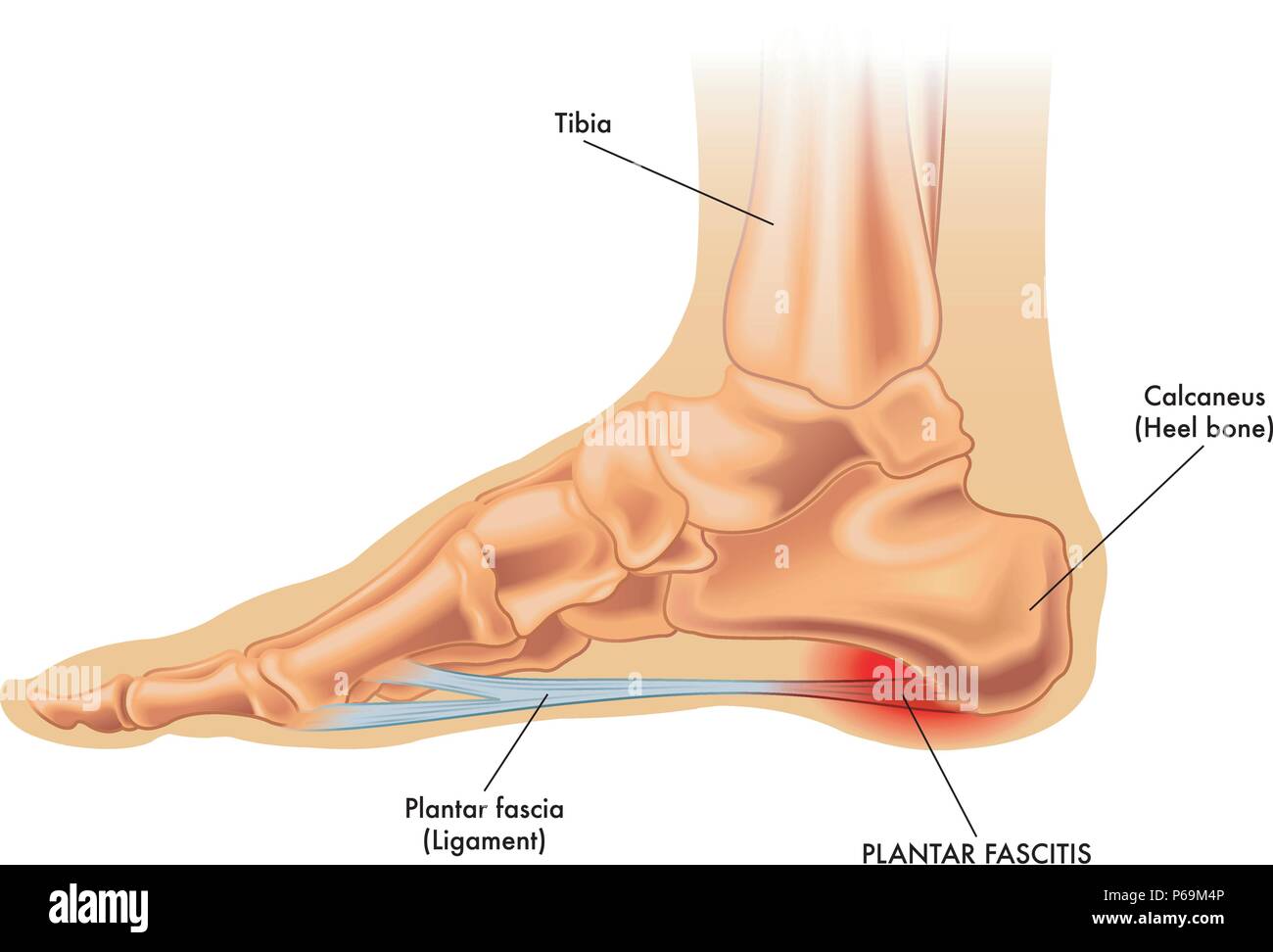
Many retailers, both online and brick and mortar, will tell you that the sale of dress shoes has been way down since the beginning of the pandemic.  With people working from home, casual slip-on shoes, slippers and even Crocs Crocs have made a comeback.  The problem with all of these shoes is that the lack of heel and arch support lead to heel pain for many people.  Commonly known as plantar fasciitis  heel pain begins when band like structure on the bottom of the foot (the plantar fascia) is unsupported and becomes strained at its attachment at the bottom of the heel.   This condition is both easily controlled if treated early on and extremely debilitating if it is not. 


 Croc’s were all the rage not too long ago.  In fact, at Family Podiatry Center, we used to sell the medical version of these slip-on shoes which had a deeper heel cup for some heel stability.  The rubber absorbs shock and the wide toe box makes them perfect for accommodating bunions. 


Have a Foot Healthy New Year!  Make one of your foot care resolutions  to have your heel pain or other foot and ankle problems evaluated and treated by a podiatric physician!


Monday, May 4, 2020

Do Your Feet Look Like This??

So many problems while we are staying at home can arise from not wearing shoes!  Even dry skin and calluses.  Friction and instability of the foot can lead to dryness and calluses of the heels.


There are a MILLION different creams and lotions out there to combat dry skin.  There is even a new foam that will be coming on the market soon that is helpful in repairing the skin layers!  But until then, heavy creams and even some with urea can be helpful in getting rid of dry skin. 


If severely dry, or cracked heels occur, you may need to see a podiatrist.  These cracks can be very painful and can become infected. 


Do not let your heel calluses go unattended!


Tuesday, April 28, 2020

Stay at Home Causing an Increase in Heel Pain

Do you suffer from heel pain and it has it worsened since you have been stuck at home? We have some tips for you! Most often, heel pain on the bottom of the heel is due to plantar fasciitis or plantar fasciosis. Either condition causes pain where the large ligament, the plantar fascia, attaches to the bottom of the heel bone. So many people have had an increase in pain recently, especially those that are at home not wearing shoes. Shoes with an enclosed heel provide much needed support so its best to wear your sneakers or other shoes with a stiff heel counter as much as possible, even while you are indoors. Doing runners stretches that stretch the Achilles tendon along with physically (using your hands) bending the toes toward the knee helps stretch the plantar fascia. Please do not go too long with heel pain without getting medical help. While it may start out as inflammatory (plantar fasciitis), the problem can develop into a more chronic one (plantar fasciosis) which is much more difficult to resolve. Many podiatrists are considered essential and are open for injuries and other painful conditions.


Heel Bone Stock Photos & Heel Bone Stock Images - Alamy

Friday, April 24, 2020

Don't be Scared to Take Care of Your Health Needs even with Covid-19 Still Present!

"I can still bear weight, so it must just be a bad bruise" said my friend when she sent me this photo of her painful, swollen and bruised foot resulting from a pancake griddle catastrophe over a week ago!  So many things wrong with this statement!

First of all, just because you can bear weight doesn't mean there isn't a fracture.  Some bones of the foot and ankle do not bear weight so they may not be very painful when you stand on them.  Some bones fracture where the tendons attach so they may only be painful when you walk, not when you stand.  And some bones break in places that are only vaguely painful.  BUT if there is an injury that has swelling and bruising after a week, you must get an x-ray to rule out a fracture!

Cute Sandals!

Why do you need to rule out a fracture if there is no pain you ask?  Because not all fractures will heal properly on their own, especially in the feet because your feet support your full body weight and are subject to many different forces.  Because some fractures may not heal at all if they are in an area that does not have adequate oxygenation.  Because some fractures heal in abnormal positions that will affect the function of your feet (and ambulation) down the road.  So don't wait!

Yes, we are all worried about contracting Covid-19, but many podiatry offices are open for urgent and essential needs.  Injury is considered an essential health care need.  So PLEASE see a podiatrist if you have an injury, especially one that results in swelling for more than a few days!


Wednesday, January 2, 2019

Dancing in the New Year! Resolutions Your Feet Will LOVE

As the countdown to the New Year fades and we retire the "special event" heels for another year, it's time to think about what resolutions you can make to start the year on the right foot!

Okay, on the left foot too.  After weeks of holidays and parties, the start of the year is a perfect time to give your feet a rest.  Below are five resolutions to help give them the pampering they deserve.

Give your toenails a breather.
Unless you have a mid-winter warm weather trip planned, January is the perfect time to evaluate the health of your toe nails.  Remove the polish and let the nails breath!  Look for any white spots or yellow discoloration.  Fungus often hides behind the veil of polish and it's important to identify the infection early for the best chance of successful treatment.  Laser treatments, combined with topical treatment, will give you the best odds of getting rid of the fungus in time for summer.

Protect your fascia from the strain and gain!
The plantar fascia is the tissue that lies on the bottom of your feet running from your heels to the balls of your feet.  Strain and stress on the tissue is common with preparations for holidays including extra shopping and cooking. Speaking of holiday cooking, stress is also increased with the weight gain that may come along with it.  Plantar Fasciitis is the common term used for strain of the fascia and presents itself as heel or arch pain.  At home treatments including stretching and wearing shoes with supportive heels but the pain can be stubborn and used to require surgery.  Good news is there are now many new less invasive treatments if your heel pain doesn't go away on its own!

Have your other resolutions be supported by your foot wear!
If you have resolved to be more active, make sure you are wearing the proper foot wear.  Running is the easiest sport to take on but its important to make sure you are wearing running shoes which are designed for heel to toe motion.  Running shoes are also the perfect shoe for athletic walking because they padding and provide ample room for the toes.  Court sports, however, require shoes that allow for side to side motion so tennis shoes have a defined purpose and are not just a type of casual foot wear.  Finally, for those that take to the hoops, basketball shoes are designed with added stability for the ankle.  As you begin your new sport, remember:  foot pain is never normal.  Increased activity can result in stress on the bones and tendons, and ligaments are prone to sprains.  Get checked out if pain remains after a day or two of rest, elevation and icing an injury.

Give your high heels a break.
The best part of winter is that many styles of boots are either flat or with a lower heel.  High heels put constant pressure on the ball of the foot - over seven time the normal pressure with heels as low as three inches.  Wearing shoes with lower heels will allow the balls of the feet (specifically the metatarsal heads) a chance to rebound from the stress and strain that is placed on the soft tissues surrounding the area.  Common injuries to this area due to high heels include bursitis, torn ligaments, displacing the natural padding and stress fractures.

Give your own heels a break.
Winter brings on dry, cracked heels.  Partially due to the dryness of the cold winter air; but also due to friction that occurs on our heels in boots and other shoes that may not provide enough heel support.  Treating dry cracked skin is important before the cracks deepen and develop fissures which may become infected.  I recently read a beauty tip to crush aspirin to use in a lotion.  It sounds crazy but aspirin has acetic acid and acids are used to help get through the dryness.  A much better solution is to treat the skin with a prepared acid-based lotion including those with lactic, salicylic or hyaluronic or glycolic acids.  These lotions and creams will exfoliate the dry skin to different degrees.  As always, be sure to discuss any treatments of the feet with your podiatric physician to make sure they are appropriate - especially if you are a diabetic or have circulatory problems.

Here is to a starting the New Year with Health Feet!


Wednesday, December 26, 2018

Why are “Heel Spurs” Important When it Comes to Military Service?


The New York Times released an  article  today that claims President Trump was given the diagnosis of “heel spurs” so he would be exempt from military service.  Putting aside the ethical, moral and political components of this story; one might wonder why heel spurs would disqualify someone from service.

A heel spur is actually an abnormal outgrowth of bone of the calcaneus (heel bone).  They may occur on just one foot or both.  The tissue on the bottom of the foot called the plantar fascia attaches to the bottom of the heel bone and when stressed, can produce a spur of the bone due to the traction that is occurred with the stress of the fascia attachment.    It is the plantar fascia that actually causes the pain.

Heel pain is VERY common.  One estimate is that there are 5 million Americans that have heel pain at a given time.  Approximately 35-40% of patients at Family Podiatry Center present with the complaint of heel pain.

Plantar fasciitis developed as a diagnosis to more accurately define the source of the pain over time and it takes on definite course with consistent symptoms of pain in the morning and after periods of rest. More recently, some podiatric physicians that specialize in heel pain recognize that there are two forms of plantar fasciitis including a chronic version called plantar fasciosis.   The plantar fascia is much easier to treat before it becomes chronic and it’s important to seek treatment from a qualified podiatrist once the pain cycle changes.  Chronic plantar fascial damage will not respond to the traditional treatments and may require regenerative medical treatments.

So why did “heel spurs” exempt people from military service?  Aside from being very painful, heel pain was often associated with “flat feet” which tire easily.  Nowadays, both flat feet and heel pain are easily maintained using custom orthotic devices and no long pose a threat to our soldiers. 

Saturday, August 4, 2018

Heel Pain - Why Some Shoes Help and Others Don't!

Millions of people suffer from heel pain - most of which (although not all) is due to plantar fasciitis/heel spurs/plantar fasciosis.  Some people swear by their Vionics/Birkenstocks/Oofos/Chaos sandals and most podiatrists will tell you to wear a closed heel shoe such as a running shoe for stability.  So which shoe is right for you and why??

First of all, let me tell  you that not only am I a podiatric physician, but I also suffer from plantar fasciitis (PF) on and off.  I have personal experience as well as professional experience and knowledge of the anatomy and biomechanics of the lower extremities.  The simple answer is:  What works for you may NOT work for someone else!

The more complicated answer comes down to foot type, foot structure and the reason for your plantar fasciitis and how long you have had it.  These individual factors become especially important in controlling re-occurrence which is common with PF.

First of all, it is so important to get rid of PF before it becomes chronic. Acute PF is thought to be inflammatory but chronic is not.  Chronic PF is a topic in of itself; but for now, know that steroid injections often fail because chronic PF progresses beyond inflammation producing scar tissue or tears within the fascia itself.

There are two important parts to controlling most acute PF - control of your rearfoot (heel and subtalar joint) and allowing the tight tissues to stretch.  Heel control is an integral part of treating acute PF because it helps control the motion of the heel causing inflammation.  Shoes with a stiff heel counter (the back of the heel) such as running shoes are a very important part of resolving heel pain.  I tell all my patients to wear them 24/7 "for now" to control the heel.  It's not necessary once the pain subsides, but until then it is a must!

Rearfoot control is also achieved with most types of custom orthotics. (This is how they differ from over the counter arch supports sold as "orthotics"). There are many factors if prescribing custom orthotics based on your shoe wear, foot type and associated anatomy.  Even if the orthotics prescribed by your podiatrist don't help the acute pain, they are important in controlling the heel to prevent re-occurrence!  Hopefully your podiatrist explained this to you, but if not,  don't be upset if they don't help get rid of the acute pain because they are still very important!

Both flat feet and high arch feet can develop PF due to tightness of the fascia, but also can develop from tightness of the Achilles tendon and even the hamstrings.  Vionics and Birkenstocks help people because they have a negative heel (where the heel sits lower than the toe box) which helps to stretch the Achilles tendon. While those sandals may help with the pain while wearing them, they often don't improve the condition overall because they don't provide heel control.   I think they are great once the pain has subsided and for those times that you absolutely can't wear sneakers, but sneakers with heel control are much better at getting the problem under control quicker.  Running shoes that have a negative heel are a great tool in allowing stretching of the Achilles as well as providing heel control.

Finally, a few words about those sandals that I mentioned and others that are heavily marketed to the public for heel pain.   Whenever anyone talks about heel pain, recommendations for these sandals are given quickly but the success of specific sandals is based on individual foot type!  Oofos, for example, provide extra shock absorption so they may be great for a high arch foot type but not for those that need a negative heel.  Vionics (based on personal experience) seem to provide rearfoot control further back in the arch as opposed to the high mid-arch support found with  Chaos which is a different type of control.  I know for myself and my foot type, this makes a huge difference.  It is important to make sure you have a discussion with your podiatrist on which sandal might be best for YOU once you get the PF under control.

Controlling PF goes beyond the control of shoes and sandals; but with so many people making recommendations to their friends on which of these costly shoes to buy I felt compelled to write about the differences between them and why YOUR foot may need something different than your friends.  Please see a podiatrist well versed in PF if your heel pain persists for longer than 4-6 weeks to be properly evaluated for YOUR individual treatment and shoe recommendations!


Wednesday, July 25, 2018

IMPORTANT PEDICURE TIPS!!

We are in full swing of summer now and women everywhere are getting their weekly pedicures or bimonthly!  Best advice if you have callouses is to SEE A PODIATRIST FIRST!

(BTW - toe nails grow slower than fingernails so you do NOT need to have them done with every manicure).

Image result for pedicure

Image result for pedicure
I often have patients saying they "catch" fungus from a pedicure but I honestly think that is not always the case.  Direct infection to the skin of the feet and legs, however is another story.

While not common, there are certainly documented cases where infections occur as a result of transferring bacteria (or fungus) from one person to another.   CBS News just put out this article of a woman almost losing her leg because a contaminated callous shaver was used on her.

So here are my tips for pedicures!

1)  Pedicurists in most states are not allowed to use blades or other callous removers.  If you have callouses that are thick, painful or simply unsightly, SEE A PODIATRIST to have them removed before you have your pedicure!  The benefits to the skin from the pedicure will last much longer if you have the callouses removed properly from a podiatrist.

Pinch Callous
2) Understand that callouses are a result of a structural problem and will continue to develop unless those problems are corrected.  Your podiatrist (podiatric physician) will educate you on the whys, hows and whens that influence your callouses.  Sometimes simply wearing custom orthotics can get rid of that "pinch" callous on the joint of your big toe that many of us seem to have.


3) Go to a salon first thing in the morning when the tools and whirlpools have the least chance of being contaminated.

4) Make sure they are using freshly sterilized instruments, including the nail files!

5) Never shave just prior to going for a pedicure.  This will reduce the risk of bacteria entering your skin if there is a contamination.

Finally - enjoy your freshly painted pink/red/blue/gray toes!!


Wednesday, July 11, 2018

Stilettos and Cobblestone - do the two work together???

Okay,  I am a little obsessed right now with Meghan Markle but not as much as Google thinks because I keep getting Meghan Markle news links!  But this one was pertinent.  Meghan wears heels on cobblestone in Dublin explores the difficulty wearing heels while walking on cobblestone streets!

I could swear I already wrote an article on this, but can't seem to find it.  The short answer is NO - of course high heels and cobblestones don't mix!  Walking on any uneven surface is difficult but cobblestone surface is uneven, irregular and a mix of contours joined together with sand.   And if you have ever tried walking in sand with heels, you know what additional problems that brings!

So what risks did Meghan take when walking on cobblestone in her 3 inch Sarah Flint shoes (not really stilettos if they are only 3 inches People Magazine)?  She risks spraining her ankles, spraying her foot, sustaining a fracture if she slips and getting those skinny heels stuck in that sand!

What the People article didn't talk about is the problem more women experience while wearing heels in another inconvenient surface:  grass.  They did provide a photo showing the Duchess of Sussex standing in the grass and mentioned that she was able to walk across the park, but the take home message in this instance is simply having those skinny heels sink into the grass!  I KNOW you have experienced that at least once.  in your high heel wearing life time!  Unlike walking on cobblestone, walking on grass while in heels once is certainly enough to make sure you don't make that mistake again.  Seems that getting stuck in the grass is more embarrassing than falling and spraining your ankles!  And who want to clean the mud off the heels while you are out and about all dressed up!

Bottom line - know where you will be walking BEFORE you venture out in those skinny heels!

Saturday, January 6, 2018

Resolutions for the New Year: Resolve to Walk!

New Year's Resolutions...................

Resolution #1:  Be more active on this Blog!!

So many people include exercise as a resolution for the new year.  So many people give it up because the exercise they have chosen becomes a hardship either because of cost or complicated new equipment.  In my mind, the best exercise is also the easiest:  Walking.

Walking requires no special equipment other than a pair of appropriate shoes.  Walking requires no cost of membership.  Walking requires no commitment or long term relationship with a gym.  Walking requires you to 1) put on your shoes and 2) Go!

I used to think the same about running.  I loved to run.  I loved the crisp fresh air and the energy I felt when I was out there engaging with the world outside.  And running was easy.  Just put on my shoes and go!  Running became a problem however, when I my knee scope showed significant arthritis.  So instead, walking became the new running.

There are a MILLION websites with info on running, especially with the new year just behind us.  This article is what inspired me to return to this blog after a much too long absence.  There is some great advice here on how to maximize your walking workout.  Walking is the simplest thing you can do to get in shape for the new year!

While I can't promise I will blog weekly, I will try to focus on walking more because I truly believe walking is the answer to many people's quest for fitness.

Today I want to talk about shoes.  While there used to be an entire category of "walking shoes" that I don't think were never intended for fitness walking.  The very best shoes for fitness walking are running shoes.  Running shoes, as opposed to tennis shoes, basketball shoes or even cross trainers allow you to propel in a forward motion from heel to toe.  Running shoes generally have more space in the toe box, provide more support, give padding at the ball of the foot and allow for shock absorption.  I am talking about traditional running shoes, not minimalist runners.

This post isn't intended to discuss the differences in the types of running shoes out there - that is an entirely different topic but the key elements are 1) making sure you have enough arch support if you are a pronator and 2) making sure you have enough shock absorption if you have a high arch foot and 3) its important to see a podiatric physician to determine your foot type and to be evaluated if you should be in custom orthotics before buying new running shoes.   For now, however, make the resolution to walk, find your running shoes and Go!

Thursday, February 4, 2016

Recently, Mattel made big news: Barbie's got a brand-new bod.  As a mother (who is more curvy than many), I am excited to know that there are now Barbie doll options other than those that I grew up with - bodies that reflect body types other than those I had always dreamed of having!  While my daughter is too old to benefit from Mattel's attempt to characterize young women more accurately, I know she will share in my excitement of acceptance of multiple body types. 

But what REALLY excited me was to read that Mattel had already modified Barbie with
removable feet so that she could wear heels and flats!

Image result for barbie shoes
To me, these will always be Barbie's favorite pair of pumps!

How did I miss that news!!  Can you imagine - feet for flats and feet for heels! 

For evening, we would switch out our flexible flat feet to be able to put on high arched feet to have the stability to actually walk from our Ubers to the restaurant for dinner - without worrying that you might fall off your heels or worse yet, be seen wobbling in those heels.
Image result for barbie shoesImage result for barbie shoes

For day time running errands with the kids (as a mom) or for the kids (as a teacher because when I was a kid all my Barbie's were teachers or secretaries), Barbie can kick off those high arch feet which lack shock absorption and put on her more flexible feet to allow proper foot function and rid her of her back pain.   

Or she can put on the feet that are bunion free (bunions BTW - are usually a result of those flexible flat feet) to put on flats that won't hit right across the bunions and cause direct pain.  Or she can put on the feet with a slight arch to make up for the lack of an arch in most flat shoes.

 Image result for barbie shoes

The boots, of course provide the best of both worlds, unless Barbie does have a bunion.


 Image result for barbie shoes

Then Barbie may need to go to Barbie Shoe Maker to have them stretched until she is ready to have surgery to correct the bunion.  Which of course, would be the best decision Barbie mom, Barbie teacher or Barbie secretary could make to ensure her future foot health and avoid Barbie arthritis in the unlikely event that she ages.


Image result for barbie shoes
We won't talk about Barbie platforms!


 Now if only we can come up with a Barbie foot to make those sling backs stay on!
 Image result for barbie shoes

Thursday, September 3, 2015

The PERFECT Wedding Shoes

I happened to notice the shoes that this bride was wearing in this photo - granted, the article was about the wedding couple being photo bombed by a group of naked bike riders in Philly (they do that in Chicago too); but my attention immediately went to her shoes!


They are the perfect height for dancing, smiling, kissing and walking down the aisle!  However, if you absolutely must have a higher heel for walking down that aisle with your very tall groom; take the following precautions:

1) Have a second pair of shoes with a lower heel.  That's what I did.  My husband is a foot taller than I am and I didn't want all the photos to make is so obvious.  I had one pair for the ceremony and one pair for the rest of the evening.  I had the dress hemmed to accommodate both at a sort of in-between length.

2) Practice and rehearse - not just at the rehearsal!  While you are not going to break in those heels, you can at least get used to wearing them if you start wearing them around the house for short periods of time weeks before the wedding.

3) Put pads in those shoes to take pressure off painful spots.  Nothing like your painful feet keeping you from smiling on the happiest day of your life (hopefully) so far.  You may need to experiment with the pads but better yet, take the shoes to a podiatrist and see how he or she can help you reduce pressure points while wearing them.

4)  Walk slowly.  I have known brides that are in such a rush to the alter and from the alter that I would swear that they were wearing roller skates.  Walking slowly will help you keep your balance and have a more normal gait despite any crazy heel height you wear.

5)  BE CAREFUL!  Especially if you are not used to wearing four, five or six inch heels.  It is very easy to literally fall off your heels.  Nothing worse than having an ankle sprain and not being able to dance to "your" song.

Now that I have your feet covered - its someone else's job to help you figure out your hair issues!

Friday, August 28, 2015

When Your Feet Still Hurt AFTER You Take Your Heels Off!

High Heels - some people love them, some people leave them.  Most women are like myself, wear them on occasions.  Granted, most women will admit that their feet hurt while they are wearing their heels, but what does it mean if your feet hurt after you take them off?

Pain at the ball of the foot, most commonly felt while wearing high heels, can be more of a problem then direct pressure from shoes.  Wearing heels, even occasionally, can cause tearing in one or more of the ligaments that are on the bottom of the joints located at the ball of the foot.  Pain at the ball of the foot is usually due to inflammation, scar tissue or a partial tear of this ligament.  The pain remains even when wearing flat shoes or without shoes because damage has occurred.

This ligament, known as the plantar plate, is responsible for keeping the toes straight.  When torn even partially, the ligament causes the toe to rotate or displace over time with or without pain.  Even without pain, there are can be swelling on the top of the foot in that region.   But its not just pain, swelling and damage to the ligament that you need to worry about.  It is not uncommon to develop hammertoes because of a disruption of this ligament. 

Treatment for this problem is dependent on when you seek treatment and how much damage there is to the tissue.  Sometimes extended physical therapy and taking the pressure off the ligament can allow the tissue to heal.  Often, using some of the newer forms of regenerative medicine can result in a quicker resolution.  Finally, surgery may be necessary as a last resort.

One thing to caution you on pain in this area.  NEVER have a cortisone injection unless you have ruled out damage to this ligament.  Cortisone, often used for inflammation in the area and/or neuromas in the area can weaken the ligament and cause further damage.

Wednesday, April 29, 2015

Great - Now I Have Blisters BETWEEN My Toes!!

I read an advice column this past weekend suggesting to wear "toe socks" as a way to avoid blisters between the toes on a woman who recently started a walking program and I take issue with that advice! 

Blisters are a sign of irritation and blisters between the toes would indicate irritation of one toe against the adjacent toe.  Usually, there are bone protrusions on the adjacent toes that cause pressure from one toe to the next piggy.  Hammertoes commonly cause a thickness of the toe joints which can be an  irritant by themselves or with bone spurs on the toe bones.  These bony prominences, when pressed together in tight shoes, cause the body to try to protect itself by creating fluid under the skin.  That fluid turns into a blister and can become quite painful on its own due to inflammation. 
 
Wearing toe socks may seem to give cushioning there is already a blister present but tend to take up even more room in an already crowded space and wearers would find continued walking quite uncomfortable!  Small blisters usually resolve on their own although they may cause a callus over the area.  Blisters that are painful, whether between the toes or elsewhere, need to be relieved of the fluid.  Using a sterile needle to incise the blister on its most dependent location will work, but if any blood is in the blister or any fluid that is not clear comes out, it is time to see your podiatrist.  If any signs of infection are present (swelling, drainage, redness), a trip to the podiatrist is also very important.
 
The best way to avoid blisters is to make sure you are wearing shoes that are wide enough to comfortable fit all five toes!  I often advise my walkers to use running shoes.
 
Removing the bone spurs or correcting any hammertoes that may be present will usually solve the problem once and for all!

Monday, July 14, 2014

I LOVE Kitten Heels

As a woman, a female podiatrist and the American Podiatric Medical Association's expert on shoes, especially women's shoes - I must say that I do NOT agree with the statements made  here in Yahoo this morning about Kitten Heels!  I think they are the perfect alternative to heels for women who want or need to feel dressed up.  The height is perfect and the usually skinny heel is not an issue with sidewalk cracks!  All women know what to avoid walking over when wearing skinny heals - especially in the city where there are all kinds of grate coverings.  I also do not agree that shoes cause bunions, even shoes that pitch the foot forward as stated in this article.  They can aggravate bunions, but its foot type that generally causes bunions.  I encourage patients to wear Kitten Heels every day in my practice due to their modest heel height!

Friday, March 22, 2013

Sarah Jessica Parker - Did She Say High Heels and Cheap Shoes??

I love Sarah Jessica Parker.  I love Sex and the City.  I love high heels.  But do I love the recent comments she made in Net-a-Porter about heels, cheap shoes and foot problems?  No! 

Lets see what they said she said.

Sarah Jessica Parker, we all know, is known for her many years of day to day wearing of beautiful, extravagant and expensive high heel shoes during Sex and the City.  In fact, in the article she said,  "I worked 18-hour days and never took them off."  But during filming of I Don't Know How She Does It, she wore a pair of cheaper shoes that led to her an ankle injury.

So she went to a podiatrist and she said he said, "Your foot does things it shouldn't be able to do. That bone there... You've created that bone. It doesn't belong there."  Is that really what he said?

They said she said that she slipped because the sole of the shoe was not leather.  Certainly a non-slip sole is important;  but, I bet he said that the cost of shoe is less of a factor than the components of the shoe.  I bet he said that a wider heel shoe is a more stable shoe despite the height of the heel.  And I bet he said that a higher heel shoe is a less stable shoe despite the width of the heel.  I am wondering if she said he said anything along those lines.  I bet he did.

Lets think about what she said he said about her bones.  First of all, wearing stilettos for years in your 20's, even if your foot type finds them comfortable, will lead to foot problems in your 30's.  That's what I said he probably said.   That would certainly be what I said had she come to see me.  The shoes do hold your feet in an unnatural position and puts strain on the bones in an unnatural way.  But did he actually say that they caused a specific bone?  I doubt that is what he said.  Maybe that's not really what they said she said he said.

Wearing those sky high heels on a daily basis may cause or contribute to many bone problems such as arthritis, stress fractures, bunions and hammertoes or even cause bone spurs.  Or an even bigger problem is when you wear high heels on a daily basis, your Achilles tendon tightens and shortens and it makes it almost impossible to wear flats!  If her podiatrist had asked Ms. Parker if that was the case, I am willing to bet my most expensive shoes that he said she said yes! 

You may love wearing those heels now; but no matter who you are, Sarah Jessica Parker included, those high heels will present problems down the line if you wear them too much.  

That's all I am saying.

Friday, February 15, 2013

How High is Too High??

After watching the Grammy's and watching so many beautiful women try to walk in their heels - I felt compelled to ask this question!  Well, compelled to give a simple answer.

Too high is when you are not walking properly.  So many of the women I saw presenting or accepting a Grammy were walking with their posture changed, their gait changed and their hips, knees and feet not working as they should!

High heels not only put pressure on the feet but also on the knees and the back.  If you are wearing heel and it does not feel like you are walking heel to toe, standing straight and having your normal stride (length and rhythm of each foot step) - the shoe you are wearing are too high!!

And by the way, platforms are not much better!  Many people thing that the height of the platform negates some of the overall heel height, but I can tell you first hand that you do not have a normal walking pattern when wearing platforms.  Often, walking in platforms does not absorb shock like walking in regular shoes do and back pain becomes a problem.

Tuesday, January 22, 2013

Shoe Shape vs. Foot Shape

I recently saw a Rachel Ray segment that talked about "foot shape" and how wearing a shoe that is a different shape than your foot can cause deformities such as bunions and hammertoes.  If only it were that simple!

"Foot shape" as referred to in the piece is more a result of the length of your toes.  Some people  have longer second toes and others have a longer great toe.  Either way, you need to fit shoes to the longest toe.  BTW- it is said that those with longer second toes are natural born leaders!

Toe box shape - square, round or pointed -  is only one factor in shoe construction and the way they affect the feet.  Heel height, the cut of the toe box and the point at which the pointed toe shoes curve  are even more important factors!  A pointed shoe that has an extended (faux) toe can be quite comfortable for many women no matter which toe is longer.  Similarly, rounded toe shoes can often cut across the bunion area and be quite a problem.


Finally, I want to make sure everyone understands, shoes do not cause bunions!  Bunions are caused by a combination of foot type, genetics and are influenced by daily shoe wear.  Certainly, if you wore a narrow, constrictive shoe 24 hours a day for years, your foot would take on that shape; but that is rarely the case! 

Friday, July 22, 2011

Why Some Shoes No Longer Fit

I was getting ready for an upcoming trip and all set to pack my red/black/white floral skirt and my really cute red peep toe pumps that I haven't worn in awhile and slipped them on to make sure they still looked cute. But I got a surprise - they were no longer comfortable!

The fit of a shoe may change for a number of reasons. First of all, anyone with deformities such as bunions or hammertoes may find that shoes are suddenly causing more pressure and tightness around those deformities. This is usually a sign that those deformities are advancing, even if there is no pain associated with them. Custom orthotics made by a podiatrist can help reduce the progression of bunions and deformities.

Swelling of the feet often occurs in the summer months due to the heat. Swelling can tightness in shoes that were once comfortable. Swelling can also be due to a tendon problem or injury and should be evaluated by a podiatrist if persistent. Lower leg swelling that is continuous can be due to systemic problems, vein problems or even kidney or heart problems and should be evaluated by your primary care physician.

And finally, foot size can change as we get older. Pregnancy can cause the ligaments and tendons of the foot to stretch which may make the foot longer. The tendon that holds the arch commonly becomes stretched, torn or injured in people that have a flexible flat foot or are overweight. It is very important to see a podiatric physician if you develop pain in the arch with or without swelling!

So, I went shopping to set to find comfortable black sandals that I could wear with multiple outfits and I ended up finding really cute red sandals. Happy Day - red shoes make me happy!! It quickly became a really happy day when I saw the price of those red shoes!!