See the article that I was interviewed for here.
Showing posts with label high heels. Show all posts
Wednesday, April 22, 2020
Women's Feet After Menopause
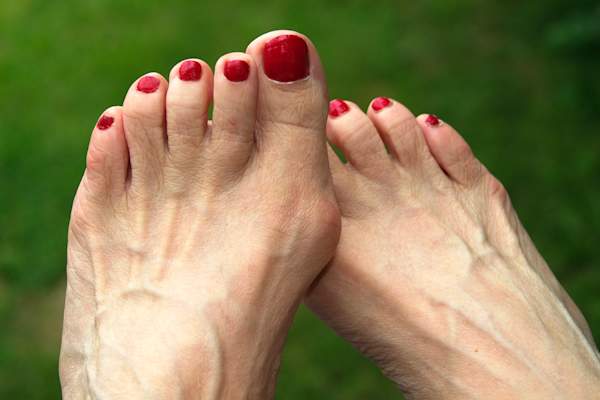
Does the ball of your feet cause you pain when you walk or wear certain shoes? Do you feel that your arch is falling as you get older? Do you feel that your bunions and hammertoes are becoming more painful? Is your skin more dry and calloused? Menopause may be the culprit! Hormones have major effects on our bodies, including our feet. Both in pregnancy and after menopause, foot problems develop in many women.
See the article that I was interviewed for here.
Wednesday, July 11, 2018
Stilettos and Cobblestone - do the two work together???
Okay, I am a little obsessed right now with Meghan Markle but not as much as Google thinks because I keep getting Meghan Markle news links! But this one was pertinent. Meghan wears heels on cobblestone in Dublin explores the difficulty wearing heels while walking on cobblestone streets!

I could swear I already wrote an article on this, but can't seem to find it. The short answer is NO - of course high heels and cobblestones don't mix! Walking on any uneven surface is difficult but cobblestone surface is uneven, irregular and a mix of contours joined together with sand. And if you have ever tried walking in sand with heels, you know what additional problems that brings!
So what risks did Meghan take when walking on cobblestone in her 3 inch Sarah Flint shoes (not really stilettos if they are only 3 inches People Magazine)? She risks spraining her ankles, spraying her foot, sustaining a fracture if she slips and getting those skinny heels stuck in that sand!
What the People article didn't talk about is the problem more women experience while wearing heels in another inconvenient surface: grass. They did provide a photo showing the Duchess of Sussex standing in the grass and mentioned that she was able to walk across the park, but the take home message in this instance is simply having those skinny heels sink into the grass! I KNOW you have experienced that at least once. in your high heel wearing life time! Unlike walking on cobblestone, walking on grass while in heels once is certainly enough to make sure you don't make that mistake again. Seems that getting stuck in the grass is more embarrassing than falling and spraining your ankles! And who want to clean the mud off the heels while you are out and about all dressed up!
Bottom line - know where you will be walking BEFORE you venture out in those skinny heels!

I could swear I already wrote an article on this, but can't seem to find it. The short answer is NO - of course high heels and cobblestones don't mix! Walking on any uneven surface is difficult but cobblestone surface is uneven, irregular and a mix of contours joined together with sand. And if you have ever tried walking in sand with heels, you know what additional problems that brings!
So what risks did Meghan take when walking on cobblestone in her 3 inch Sarah Flint shoes (not really stilettos if they are only 3 inches People Magazine)? She risks spraining her ankles, spraying her foot, sustaining a fracture if she slips and getting those skinny heels stuck in that sand!
What the People article didn't talk about is the problem more women experience while wearing heels in another inconvenient surface: grass. They did provide a photo showing the Duchess of Sussex standing in the grass and mentioned that she was able to walk across the park, but the take home message in this instance is simply having those skinny heels sink into the grass! I KNOW you have experienced that at least once. in your high heel wearing life time! Unlike walking on cobblestone, walking on grass while in heels once is certainly enough to make sure you don't make that mistake again. Seems that getting stuck in the grass is more embarrassing than falling and spraining your ankles! And who want to clean the mud off the heels while you are out and about all dressed up!
Bottom line - know where you will be walking BEFORE you venture out in those skinny heels!
Thursday, February 4, 2016
Recently, Mattel made big news: Barbie's got a brand-new bod. As a mother (who is more curvy than many), I am excited to know that there are now Barbie doll options other than those that I grew up with - bodies that reflect body types other than those I had always dreamed of having! While my daughter is too old to benefit from Mattel's attempt to characterize young women more accurately, I know she will share in my excitement of acceptance of multiple body types.
For evening, we would switch out our flexible flat feet to be able to put on high arched feet to have the stability to actually walk from our Ubers to the restaurant for dinner - without worrying that you might fall off your heels or worse yet, be seen wobbling in those heels.

For day time running errands with the kids (as a mom) or for the kids (as a teacher because when I was a kid all my Barbie's were teachers or secretaries), Barbie can kick off those high arch feet which lack shock absorption and put on her more flexible feet to allow proper foot function and rid her of her back pain.
Or she can put on the feet that are bunion free (bunions BTW - are usually a result of those flexible flat feet) to put on flats that won't hit right across the bunions and cause direct pain. Or she can put on the feet with a slight arch to make up for the lack of an arch in most flat shoes.
Then Barbie may need to go to Barbie Shoe Maker to have them stretched until she is ready to have surgery to correct the bunion. Which of course, would be the best decision Barbie mom, Barbie teacher or Barbie secretary could make to ensure her future foot health and avoid Barbie arthritis in the unlikely event that she ages.
But what REALLY excited me was to read that Mattel had already modified Barbie with
removable feet so that she could wear heels and flats!
| To me, these will always be Barbie's favorite pair of pumps! |
How did I miss that news!! Can you imagine - feet for flats and feet for heels!
For evening, we would switch out our flexible flat feet to be able to put on high arched feet to have the stability to actually walk from our Ubers to the restaurant for dinner - without worrying that you might fall off your heels or worse yet, be seen wobbling in those heels.
For day time running errands with the kids (as a mom) or for the kids (as a teacher because when I was a kid all my Barbie's were teachers or secretaries), Barbie can kick off those high arch feet which lack shock absorption and put on her more flexible feet to allow proper foot function and rid her of her back pain.
Or she can put on the feet that are bunion free (bunions BTW - are usually a result of those flexible flat feet) to put on flats that won't hit right across the bunions and cause direct pain. Or she can put on the feet with a slight arch to make up for the lack of an arch in most flat shoes.
The boots, of course provide the best of both worlds, unless Barbie does have a bunion.
Then Barbie may need to go to Barbie Shoe Maker to have them stretched until she is ready to have surgery to correct the bunion. Which of course, would be the best decision Barbie mom, Barbie teacher or Barbie secretary could make to ensure her future foot health and avoid Barbie arthritis in the unlikely event that she ages.
| We won't talk about Barbie platforms! |
Now if only we can come up with a Barbie foot to make those sling backs stay on!
Friday, August 28, 2015
When Your Feet Still Hurt AFTER You Take Your Heels Off!
High Heels - some people love them, some people leave them. Most women are like myself, wear them on occasions. Granted, most women will admit that their feet hurt while they are wearing their heels, but what does it mean if your feet hurt after you take them off?
Pain at the ball of the foot, most commonly felt while wearing high heels, can be more of a problem then direct pressure from shoes. Wearing heels, even occasionally, can cause tearing in one or more of the ligaments that are on the bottom of the joints located at the ball of the foot. Pain at the ball of the foot is usually due to inflammation, scar tissue or a partial tear of this ligament. The pain remains even when wearing flat shoes or without shoes because damage has occurred.
This ligament, known as the plantar plate, is responsible for keeping the toes straight. When torn even partially, the ligament causes the toe to rotate or displace over time with or without pain. Even without pain, there are can be swelling on the top of the foot in that region. But its not just pain, swelling and damage to the ligament that you need to worry about. It is not uncommon to develop hammertoes because of a disruption of this ligament.
Treatment for this problem is dependent on when you seek treatment and how much damage there is to the tissue. Sometimes extended physical therapy and taking the pressure off the ligament can allow the tissue to heal. Often, using some of the newer forms of regenerative medicine can result in a quicker resolution. Finally, surgery may be necessary as a last resort.
One thing to caution you on pain in this area. NEVER have a cortisone injection unless you have ruled out damage to this ligament. Cortisone, often used for inflammation in the area and/or neuromas in the area can weaken the ligament and cause further damage.
Pain at the ball of the foot, most commonly felt while wearing high heels, can be more of a problem then direct pressure from shoes. Wearing heels, even occasionally, can cause tearing in one or more of the ligaments that are on the bottom of the joints located at the ball of the foot. Pain at the ball of the foot is usually due to inflammation, scar tissue or a partial tear of this ligament. The pain remains even when wearing flat shoes or without shoes because damage has occurred.
This ligament, known as the plantar plate, is responsible for keeping the toes straight. When torn even partially, the ligament causes the toe to rotate or displace over time with or without pain. Even without pain, there are can be swelling on the top of the foot in that region. But its not just pain, swelling and damage to the ligament that you need to worry about. It is not uncommon to develop hammertoes because of a disruption of this ligament.
Treatment for this problem is dependent on when you seek treatment and how much damage there is to the tissue. Sometimes extended physical therapy and taking the pressure off the ligament can allow the tissue to heal. Often, using some of the newer forms of regenerative medicine can result in a quicker resolution. Finally, surgery may be necessary as a last resort.
One thing to caution you on pain in this area. NEVER have a cortisone injection unless you have ruled out damage to this ligament. Cortisone, often used for inflammation in the area and/or neuromas in the area can weaken the ligament and cause further damage.
Monday, July 14, 2014
I LOVE Kitten Heels
As a woman, a female podiatrist and the American Podiatric Medical Association's expert on shoes, especially women's shoes - I must say that I do NOT agree with the statements made here in Yahoo this morning about Kitten Heels! I think they are the perfect alternative to heels for women who want or need to feel dressed up. The height is perfect and the usually skinny heel is not an issue with sidewalk cracks! All women know what to avoid walking over when wearing skinny heals - especially in the city where there are all kinds of grate coverings. I also do not agree that shoes cause bunions, even shoes that pitch the foot forward as stated in this article. They can aggravate bunions, but its foot type that generally causes bunions. I encourage patients to wear Kitten Heels every day in my practice due to their modest heel height!
Friday, February 15, 2013
How High is Too High??
After watching the Grammy's and watching so many beautiful women try to walk in their heels - I felt compelled to ask this question! Well, compelled to give a simple answer.
Too high is when you are not walking properly. So many of the women I saw presenting or accepting a Grammy were walking with their posture changed, their gait changed and their hips, knees and feet not working as they should!
High heels not only put pressure on the feet but also on the knees and the back. If you are wearing heel and it does not feel like you are walking heel to toe, standing straight and having your normal stride (length and rhythm of each foot step) - the shoe you are wearing are too high!!
And by the way, platforms are not much better! Many people thing that the height of the platform negates some of the overall heel height, but I can tell you first hand that you do not have a normal walking pattern when wearing platforms. Often, walking in platforms does not absorb shock like walking in regular shoes do and back pain becomes a problem.
Too high is when you are not walking properly. So many of the women I saw presenting or accepting a Grammy were walking with their posture changed, their gait changed and their hips, knees and feet not working as they should!
High heels not only put pressure on the feet but also on the knees and the back. If you are wearing heel and it does not feel like you are walking heel to toe, standing straight and having your normal stride (length and rhythm of each foot step) - the shoe you are wearing are too high!!
And by the way, platforms are not much better! Many people thing that the height of the platform negates some of the overall heel height, but I can tell you first hand that you do not have a normal walking pattern when wearing platforms. Often, walking in platforms does not absorb shock like walking in regular shoes do and back pain becomes a problem.
Wednesday, January 30, 2013
Frostbite - Should Health Women Worry??
When we think of frostbite in Chicago and other large cities, most people think of the homeless and others out without proper foot protection from the elements. But working women, especially those who commute downtown, should also be cautious!
So many of my patients commute to the city. They take the train from Naperville or surrounding western suburbs and walk to their offices from the train. I can tell you that most of these women are not wearing Uggs as part of their winter foot wear if there is no snow.
Most women tend to wear the same dress shoes and hosiery for their multiple block walks to and from the train - unless they wear sneakers for a previously discussed foot problem. These shoes, or fashion boots, lack the warmth that winter boots provide and most dress shoes leave a good part of the foot exposed. This exposure - especially when the temps dip into the teens - can lead to frostbite in some people.
Risk factors include anyone with circulation problems or diabetes but even health women should be cautious if they are smokers, take certain medications or have something called Raynaud's.
Raynaud's is often associated with some rheumatic diseases (Raynaud's phenomenon), but it can also be present by itself Raynaud's is fairly common - even my 15 year old daughter has it! Toes and occasionally fingers get very cold and even turn white when exposed to cold temperatures or other stressful triggers. It is more common in women and those who live in colder climates. Even while at home, my daughter's second toe often turns white.
I have my daughter rewarm her toe in warm water or with a warm compress until the normal color returns to her toe; but prevention is the key with women who experience this problem. Wearing socks (even in the house during the cold months), wearing boots when outside and limiting exposure to the very cold air. On the really cold days, I recommend to my patients that they take a cab to and from their offices and the train.
Raynauds is a vasospastic problem of the arteries which blocks the blood flow to the toes or fingers. Risk factors for health women include the use of cold medications that include pseudoephedrine (Chlor-Trimeton, Sudafed) and birth control pills. Women should not smoke if they have Raynauds - its the perfect and very real reason to give my daughter not to start smoking!
So many of my patients commute to the city. They take the train from Naperville or surrounding western suburbs and walk to their offices from the train. I can tell you that most of these women are not wearing Uggs as part of their winter foot wear if there is no snow.
Most women tend to wear the same dress shoes and hosiery for their multiple block walks to and from the train - unless they wear sneakers for a previously discussed foot problem. These shoes, or fashion boots, lack the warmth that winter boots provide and most dress shoes leave a good part of the foot exposed. This exposure - especially when the temps dip into the teens - can lead to frostbite in some people.
Risk factors include anyone with circulation problems or diabetes but even health women should be cautious if they are smokers, take certain medications or have something called Raynaud's.
Raynaud's is often associated with some rheumatic diseases (Raynaud's phenomenon), but it can also be present by itself Raynaud's is fairly common - even my 15 year old daughter has it! Toes and occasionally fingers get very cold and even turn white when exposed to cold temperatures or other stressful triggers. It is more common in women and those who live in colder climates. Even while at home, my daughter's second toe often turns white.
I have my daughter rewarm her toe in warm water or with a warm compress until the normal color returns to her toe; but prevention is the key with women who experience this problem. Wearing socks (even in the house during the cold months), wearing boots when outside and limiting exposure to the very cold air. On the really cold days, I recommend to my patients that they take a cab to and from their offices and the train.
Raynauds is a vasospastic problem of the arteries which blocks the blood flow to the toes or fingers. Risk factors for health women include the use of cold medications that include pseudoephedrine (Chlor-Trimeton, Sudafed) and birth control pills. Women should not smoke if they have Raynauds - its the perfect and very real reason to give my daughter not to start smoking!
Labels:
cold injury,
feet,
foot,
frostbite,
high heels,
Injury,
Raynaud,
Raynaud's,
Uggs,
walking,
winter boots,
womens foot health,
womens shoes
Tuesday, January 22, 2013
Shoe Shape vs. Foot Shape
I recently saw a Rachel Ray segment that talked about "foot shape" and how wearing a shoe that is a different shape than your foot can cause deformities such as bunions and hammertoes. If only it were that simple!
"Foot shape" as referred to in the piece is more a result of the length of your toes. Some people have longer second toes and others have a longer great toe. Either way, you need to fit shoes to the longest toe. BTW- it is said that those with longer second toes are natural born leaders!
Toe box shape - square, round or pointed - is only one factor in shoe construction and the way they affect the feet. Heel height, the cut of the toe box and the point at which the pointed toe shoes curve are even more important factors! A pointed shoe that has an extended (faux) toe can be quite comfortable for many women no matter which toe is longer. Similarly, rounded toe shoes can often cut across the bunion area and be quite a problem.


Finally, I want to make sure everyone understands, shoes do not cause bunions! Bunions are caused by a combination of foot type, genetics and are influenced by daily shoe wear. Certainly, if you wore a narrow, constrictive shoe 24 hours a day for years, your foot would take on that shape; but that is rarely the case!
"Foot shape" as referred to in the piece is more a result of the length of your toes. Some people have longer second toes and others have a longer great toe. Either way, you need to fit shoes to the longest toe. BTW- it is said that those with longer second toes are natural born leaders!
Toe box shape - square, round or pointed - is only one factor in shoe construction and the way they affect the feet. Heel height, the cut of the toe box and the point at which the pointed toe shoes curve are even more important factors! A pointed shoe that has an extended (faux) toe can be quite comfortable for many women no matter which toe is longer. Similarly, rounded toe shoes can often cut across the bunion area and be quite a problem.
Finally, I want to make sure everyone understands, shoes do not cause bunions! Bunions are caused by a combination of foot type, genetics and are influenced by daily shoe wear. Certainly, if you wore a narrow, constrictive shoe 24 hours a day for years, your foot would take on that shape; but that is rarely the case!
Tuesday, November 27, 2012
Don't Let Your Feet Keep You From Wearing High Heels!!
As both a woman who likes to be fashionable and a podiatrist that
needs to be sensible, my goal is to help women wear
the shoes they want to wear more comfortably!
Recently, FOX32 Chicago interviewed me for a story on cosmetic foot surgery for women who wear high heels. Like almost all podiatric surgeons, I do not consider most foot surgeries to be cosmetic even if the goal is to wear shoes more comfortably. Many women think of correcting bunions, hammertoes and other unattractive foot deformities as cosmetic; but there is usually a structural abnormality associated with those unsightly problems. Insurances almost always cover the correction of foot deformities - even if there is the added bonus of making your feet more attractive!
While FOX32 Chicago initially intended to focus on only cosmetic procedures, my interview clearly shows that when the feet are involved, the definition of what is cosmetic is clearly not black and white. While some newer procedures (such as dermal fillers to the ball of the feet and laser for fungal nails) are not covered by insurance, there are very few purely cosmetic surgeries of the feet.
Function of the foot is always a factor in solving any foot problem. Cosmetic benefits aside, foot surgery is aimed to improve foot function.
My main concern with women is being able to wear fashionable foot wear comfortably and smartly. I believe it is important for any podiatrist to counsel their patients on how to wear high heels safely, how best to shop for shoes and advocates knowing not only your true shoe size but also your foot type before shoe shopping.
Recently, FOX32 Chicago interviewed me for a story on cosmetic foot surgery for women who wear high heels. Like almost all podiatric surgeons, I do not consider most foot surgeries to be cosmetic even if the goal is to wear shoes more comfortably. Many women think of correcting bunions, hammertoes and other unattractive foot deformities as cosmetic; but there is usually a structural abnormality associated with those unsightly problems. Insurances almost always cover the correction of foot deformities - even if there is the added bonus of making your feet more attractive!
While FOX32 Chicago initially intended to focus on only cosmetic procedures, my interview clearly shows that when the feet are involved, the definition of what is cosmetic is clearly not black and white. While some newer procedures (such as dermal fillers to the ball of the feet and laser for fungal nails) are not covered by insurance, there are very few purely cosmetic surgeries of the feet.
Function of the foot is always a factor in solving any foot problem. Cosmetic benefits aside, foot surgery is aimed to improve foot function.
My main concern with women is being able to wear fashionable foot wear comfortably and smartly. I believe it is important for any podiatrist to counsel their patients on how to wear high heels safely, how best to shop for shoes and advocates knowing not only your true shoe size but also your foot type before shoe shopping.
Subscribe to:
Posts (Atom)