Showing posts with label shoes. Show all posts
Showing posts with label shoes. Show all posts
Tuesday, April 28, 2020
Stay at Home Causing an Increase in Heel Pain
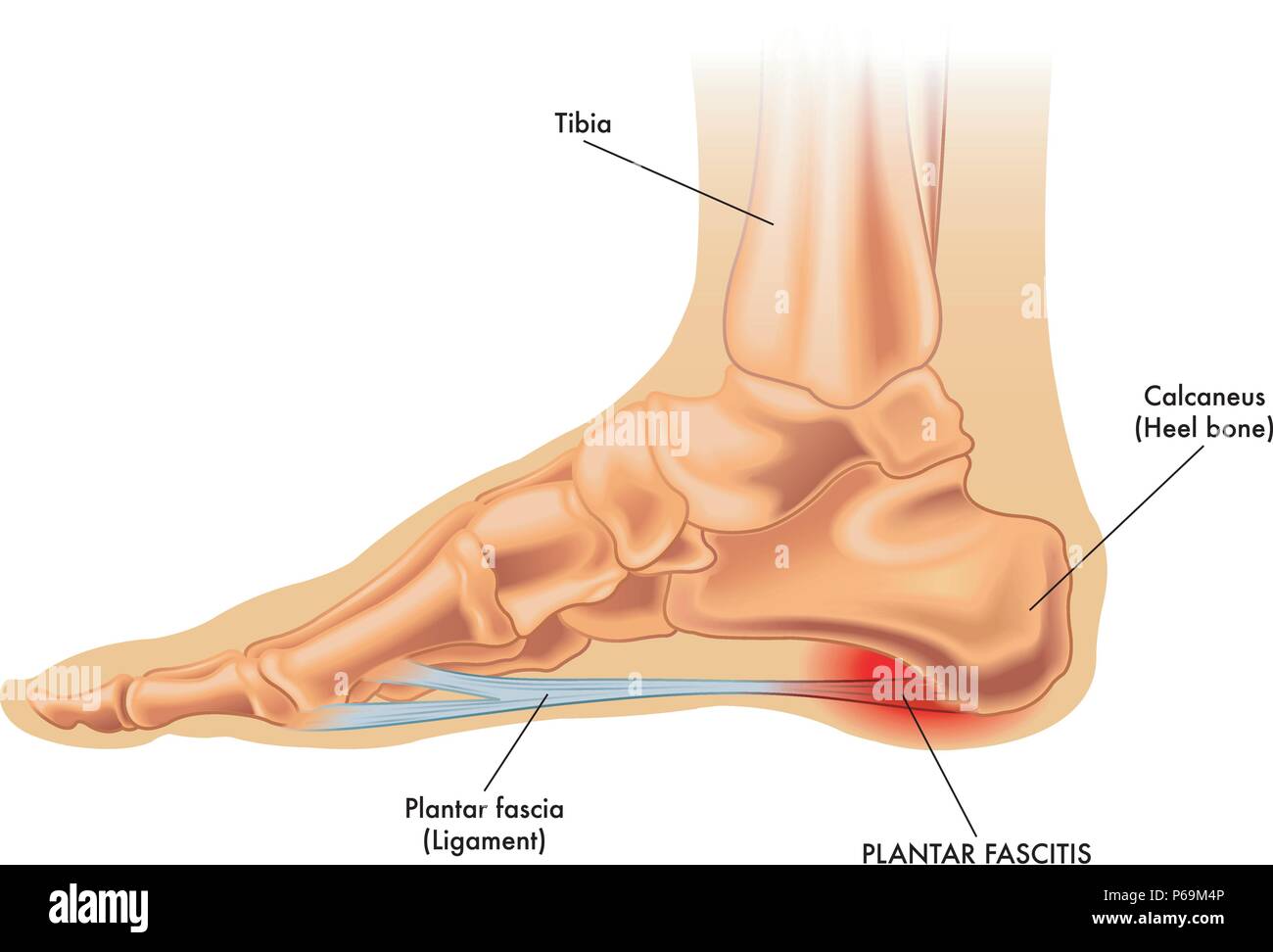
Do you suffer from heel pain and it has it worsened since you have been stuck at home? We have some tips for you! Most often, heel pain on the bottom of the heel is due to plantar fasciitis or plantar fasciosis. Either condition causes pain where the large ligament, the plantar fascia, attaches to the bottom of the heel bone. So many people have had an increase in pain recently, especially those that are at home not wearing shoes. Shoes with an enclosed heel provide much needed support so its best to wear your sneakers or other shoes with a stiff heel counter as much as possible, even while you are indoors. Doing runners stretches that stretch the Achilles tendon along with physically (using your hands) bending the toes toward the knee helps stretch the plantar fascia. Please do not go too long with heel pain without getting medical help. While it may start out as inflammatory (plantar fasciitis), the problem can develop into a more chronic one (plantar fasciosis) which is much more difficult to resolve. Many podiatrists are considered essential and are open for injuries and other painful conditions.

Wednesday, April 29, 2015
Great - Now I Have Blisters BETWEEN My Toes!!
I read an advice column this past weekend suggesting to wear "toe socks" as a way to avoid blisters between the toes on a woman who recently started a walking program and I take issue with that advice!
Blisters are a sign of irritation and blisters between the toes would indicate irritation of one toe against the adjacent toe. Usually, there are bone protrusions on the adjacent toes that cause pressure from one toe to the next piggy. Hammertoes commonly cause a thickness of the toe joints which can be an irritant by themselves or with bone spurs on the toe bones. These bony prominences, when pressed together in tight shoes, cause the body to try to protect itself by creating fluid under the skin. That fluid turns into a blister and can become quite painful on its own due to inflammation.
Wearing toe socks may seem to give cushioning there is already a blister present but tend to take up even more room in an already crowded space and wearers would find continued walking quite uncomfortable! Small blisters usually resolve on their own although they may cause a callus over the area. Blisters that are painful, whether between the toes or elsewhere, need to be relieved of the fluid. Using a sterile needle to incise the blister on its most dependent location will work, but if any blood is in the blister or any fluid that is not clear comes out, it is time to see your podiatrist. If any signs of infection are present (swelling, drainage, redness), a trip to the podiatrist is also very important.
The best way to avoid blisters is to make sure you are wearing shoes that are wide enough to comfortable fit all five toes! I often advise my walkers to use running shoes.
Removing the bone spurs or correcting any hammertoes that may be present will usually solve the problem once and for all!
Monday, July 14, 2014
I LOVE Kitten Heels
As a woman, a female podiatrist and the American Podiatric Medical Association's expert on shoes, especially women's shoes - I must say that I do NOT agree with the statements made here in Yahoo this morning about Kitten Heels! I think they are the perfect alternative to heels for women who want or need to feel dressed up. The height is perfect and the usually skinny heel is not an issue with sidewalk cracks! All women know what to avoid walking over when wearing skinny heals - especially in the city where there are all kinds of grate coverings. I also do not agree that shoes cause bunions, even shoes that pitch the foot forward as stated in this article. They can aggravate bunions, but its foot type that generally causes bunions. I encourage patients to wear Kitten Heels every day in my practice due to their modest heel height!
Friday, February 15, 2013
How High is Too High??
After watching the Grammy's and watching so many beautiful women try to walk in their heels - I felt compelled to ask this question! Well, compelled to give a simple answer.
Too high is when you are not walking properly. So many of the women I saw presenting or accepting a Grammy were walking with their posture changed, their gait changed and their hips, knees and feet not working as they should!
High heels not only put pressure on the feet but also on the knees and the back. If you are wearing heel and it does not feel like you are walking heel to toe, standing straight and having your normal stride (length and rhythm of each foot step) - the shoe you are wearing are too high!!
And by the way, platforms are not much better! Many people thing that the height of the platform negates some of the overall heel height, but I can tell you first hand that you do not have a normal walking pattern when wearing platforms. Often, walking in platforms does not absorb shock like walking in regular shoes do and back pain becomes a problem.
Too high is when you are not walking properly. So many of the women I saw presenting or accepting a Grammy were walking with their posture changed, their gait changed and their hips, knees and feet not working as they should!
High heels not only put pressure on the feet but also on the knees and the back. If you are wearing heel and it does not feel like you are walking heel to toe, standing straight and having your normal stride (length and rhythm of each foot step) - the shoe you are wearing are too high!!
And by the way, platforms are not much better! Many people thing that the height of the platform negates some of the overall heel height, but I can tell you first hand that you do not have a normal walking pattern when wearing platforms. Often, walking in platforms does not absorb shock like walking in regular shoes do and back pain becomes a problem.
Tuesday, January 22, 2013
Shoe Shape vs. Foot Shape
I recently saw a Rachel Ray segment that talked about "foot shape" and how wearing a shoe that is a different shape than your foot can cause deformities such as bunions and hammertoes. If only it were that simple!
"Foot shape" as referred to in the piece is more a result of the length of your toes. Some people have longer second toes and others have a longer great toe. Either way, you need to fit shoes to the longest toe. BTW- it is said that those with longer second toes are natural born leaders!
Toe box shape - square, round or pointed - is only one factor in shoe construction and the way they affect the feet. Heel height, the cut of the toe box and the point at which the pointed toe shoes curve are even more important factors! A pointed shoe that has an extended (faux) toe can be quite comfortable for many women no matter which toe is longer. Similarly, rounded toe shoes can often cut across the bunion area and be quite a problem.
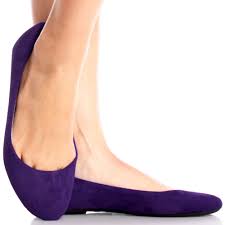

Finally, I want to make sure everyone understands, shoes do not cause bunions! Bunions are caused by a combination of foot type, genetics and are influenced by daily shoe wear. Certainly, if you wore a narrow, constrictive shoe 24 hours a day for years, your foot would take on that shape; but that is rarely the case!
"Foot shape" as referred to in the piece is more a result of the length of your toes. Some people have longer second toes and others have a longer great toe. Either way, you need to fit shoes to the longest toe. BTW- it is said that those with longer second toes are natural born leaders!
Toe box shape - square, round or pointed - is only one factor in shoe construction and the way they affect the feet. Heel height, the cut of the toe box and the point at which the pointed toe shoes curve are even more important factors! A pointed shoe that has an extended (faux) toe can be quite comfortable for many women no matter which toe is longer. Similarly, rounded toe shoes can often cut across the bunion area and be quite a problem.
Finally, I want to make sure everyone understands, shoes do not cause bunions! Bunions are caused by a combination of foot type, genetics and are influenced by daily shoe wear. Certainly, if you wore a narrow, constrictive shoe 24 hours a day for years, your foot would take on that shape; but that is rarely the case!
Friday, July 22, 2011
Why Some Shoes No Longer Fit
I was getting ready for an upcoming trip and all set to pack my red/black/white floral skirt and my really cute red peep toe pumps that I haven't worn in awhile and slipped them on to make sure they still looked cute. But I got a surprise - they were no longer comfortable!
The fit of a shoe may change for a number of reasons. First of all, anyone with deformities such as bunions or hammertoes may find that shoes are suddenly causing more pressure and tightness around those deformities. This is usually a sign that those deformities are advancing, even if there is no pain associated with them. Custom orthotics made by a podiatrist can help reduce the progression of bunions and deformities.
Swelling of the feet often occurs in the summer months due to the heat. Swelling can tightness in shoes that were once comfortable. Swelling can also be due to a tendon problem or injury and should be evaluated by a podiatrist if persistent. Lower leg swelling that is continuous can be due to systemic problems, vein problems or even kidney or heart problems and should be evaluated by your primary care physician.
And finally, foot size can change as we get older. Pregnancy can cause the ligaments and tendons of the foot to stretch which may make the foot longer. The tendon that holds the arch commonly becomes stretched, torn or injured in people that have a flexible flat foot or are overweight. It is very important to see a podiatric physician if you develop pain in the arch with or without swelling!
So, I went shopping to set to find comfortable black sandals that I could wear with multiple outfits and I ended up finding really cute red sandals. Happy Day - red shoes make me happy!! It quickly became a really happy day when I saw the price of those red shoes!!
The fit of a shoe may change for a number of reasons. First of all, anyone with deformities such as bunions or hammertoes may find that shoes are suddenly causing more pressure and tightness around those deformities. This is usually a sign that those deformities are advancing, even if there is no pain associated with them. Custom orthotics made by a podiatrist can help reduce the progression of bunions and deformities.
Swelling of the feet often occurs in the summer months due to the heat. Swelling can tightness in shoes that were once comfortable. Swelling can also be due to a tendon problem or injury and should be evaluated by a podiatrist if persistent. Lower leg swelling that is continuous can be due to systemic problems, vein problems or even kidney or heart problems and should be evaluated by your primary care physician.
And finally, foot size can change as we get older. Pregnancy can cause the ligaments and tendons of the foot to stretch which may make the foot longer. The tendon that holds the arch commonly becomes stretched, torn or injured in people that have a flexible flat foot or are overweight. It is very important to see a podiatric physician if you develop pain in the arch with or without swelling!
So, I went shopping to set to find comfortable black sandals that I could wear with multiple outfits and I ended up finding really cute red sandals. Happy Day - red shoes make me happy!! It quickly became a really happy day when I saw the price of those red shoes!!
Sunday, January 2, 2011
Resolution #1: If the shoe doesn’t fit, don’t wear it!
It’s so tempting for women to buy shoes that don’t necessarily fit - especially if they are on sale or perfectly match an outfit. Do your feet a favor and resolve to only buy shoes that do not pinch, squeeze or slip when you try them on. And don’t just try on a potential new pair of shoes; get off the carpeted area of the shoe store and really walk around in them to determine if they are a good fit.
Other shoe shopping tips to remember:
-shop for shoes at the end of the day so that any naturally occurring swelling has already occurred
-wear the appropriate hosiery for the shoes you are buying
-know your foot type before shopping for athletic shoes - a podiatrist can help you determine your foot type
-know your heel height limit, some women can wear 4" heels, but others may have to settle for 3"
Other shoe shopping tips to remember:
-shop for shoes at the end of the day so that any naturally occurring swelling has already occurred
-wear the appropriate hosiery for the shoes you are buying
-know your foot type before shopping for athletic shoes - a podiatrist can help you determine your foot type
-know your heel height limit, some women can wear 4" heels, but others may have to settle for 3"
2011 Resolutions to Walk With
There are resolutions for everything from weight loss to self-betterment to political correctness - all intended to take you to a better place in 2011. Why not for your feet? You can’t go anywhere in 2011 without your feet taking you every step of the way!
For the next 11 days, I will post a resolution sure to keep you on track and walking in the right direction!!
Coming on Monday - Resolution #1: If the shoe doesn’t fit, don’t wear it!
For the next 11 days, I will post a resolution sure to keep you on track and walking in the right direction!!
Coming on Monday - Resolution #1: If the shoe doesn’t fit, don’t wear it!
Tuesday, December 7, 2010
Traveling in 2010
A woman I met this week was telling me the worst thing about traveling for her is not the security, not the lack of snacks given on the plane, not the lack of a pillow on morning flights - but the problems with her feet when she travels!! I don't think she even knew I was a podiatric physician (podiatrist)!!
She was complaining that her feet sweat a lot and that she is very uncomfortable when flying. She is bothered when she has to take her shoes off and expose her feet and feels very constrained when in the air. This was the first time I have heard someone listing their feet as their main problem with flying!!
Here are some tips to keep your feet healthy and comfortable when flying.
1) ALWAYS WEAR SOCKS!! It is just too gross to think about all those people who take their shoes off to go through security. Even if you just wear socks until you get to the other side of security. I keep a pair of white cotton ankle socks in my purse to slip on as I slip off my shoes.
2) Don't wear nylons when you fly. Several reasons - first of all, nylon holds moisture so your feet will feel sweaty. Second, your feet will feel restricted in them, especially if your feet swell while you are on the plane which is very common. Finally, and I heard this on the Oprah show and it made an impression on me, if you are in a plane crash that involves fire, nylons will spread the flames!
3) Wear shoes that you can run in, walk in, and run in! You never know when you will be running to a gate! I like to wear shoes that are easy to get off and on to make security go smoothly. I also put my shoes down the conveyor belt first so that they are there ready for me to put back on while my other things are still going through the x-ray. Low heeled boots with a zipper are perfect for travel!
4) Put your feet through a range of motion while you are in your seat. Making circles or even spelling out letters with your feet will help keep swelling and stiffness down.
5) Enjoy your flight and hopefully the feet will be the last thing on your mind as you fly over the Grand Canyon!!
She was complaining that her feet sweat a lot and that she is very uncomfortable when flying. She is bothered when she has to take her shoes off and expose her feet and feels very constrained when in the air. This was the first time I have heard someone listing their feet as their main problem with flying!!
Here are some tips to keep your feet healthy and comfortable when flying.
1) ALWAYS WEAR SOCKS!! It is just too gross to think about all those people who take their shoes off to go through security. Even if you just wear socks until you get to the other side of security. I keep a pair of white cotton ankle socks in my purse to slip on as I slip off my shoes.
2) Don't wear nylons when you fly. Several reasons - first of all, nylon holds moisture so your feet will feel sweaty. Second, your feet will feel restricted in them, especially if your feet swell while you are on the plane which is very common. Finally, and I heard this on the Oprah show and it made an impression on me, if you are in a plane crash that involves fire, nylons will spread the flames!
3) Wear shoes that you can run in, walk in, and run in! You never know when you will be running to a gate! I like to wear shoes that are easy to get off and on to make security go smoothly. I also put my shoes down the conveyor belt first so that they are there ready for me to put back on while my other things are still going through the x-ray. Low heeled boots with a zipper are perfect for travel!
4) Put your feet through a range of motion while you are in your seat. Making circles or even spelling out letters with your feet will help keep swelling and stiffness down.
5) Enjoy your flight and hopefully the feet will be the last thing on your mind as you fly over the Grand Canyon!!
Wednesday, December 1, 2010
New Flip Flop Danger
So I thought I have heard all the flip flop injury stories: getting one caught on an escalator, losing a flip flop when running, tripping over the end of the shoe, having the flip flop get stuck in bicycle spokes... and then until the other day I heard a new one!
A patient told me he tripped on the gas line while at a gas station! He fell, sprained his ankle AND broke a bone in his foot! He went to the ER for his ankle, but they totally ignored his foot pain.
Its not that uncommon to injure your foot when you sprain an ankle. The twisting can not only stretch the ligaments of the ankle, but can also cause a tendon to pull off one of the bones on the outside of the foot. Most emergency rooms will focus on the obvious - the ankle sprain and few ER doctors are even aware of the related injuries that can happen to the foot.
Whether its due to a flip flop injury, fall on the ice, or soccer injury, the BEST place to go after an ankle sprain is NOT the ER, but the office of a podiatric physician! Today's Podiatrists have the education, training and experience to properly evaluate ankle and foot injuries like no other physician. With almost all podiatrists having in office x-rays and many having diagnostic ultrasound, all your bone and soft tissue injuries can be identified properly the first time around! AND make sure you have the proper treatment - not just an ace wrap and crutches!
A patient told me he tripped on the gas line while at a gas station! He fell, sprained his ankle AND broke a bone in his foot! He went to the ER for his ankle, but they totally ignored his foot pain.
Its not that uncommon to injure your foot when you sprain an ankle. The twisting can not only stretch the ligaments of the ankle, but can also cause a tendon to pull off one of the bones on the outside of the foot. Most emergency rooms will focus on the obvious - the ankle sprain and few ER doctors are even aware of the related injuries that can happen to the foot.
Whether its due to a flip flop injury, fall on the ice, or soccer injury, the BEST place to go after an ankle sprain is NOT the ER, but the office of a podiatric physician! Today's Podiatrists have the education, training and experience to properly evaluate ankle and foot injuries like no other physician. With almost all podiatrists having in office x-rays and many having diagnostic ultrasound, all your bone and soft tissue injuries can be identified properly the first time around! AND make sure you have the proper treatment - not just an ace wrap and crutches!
Thursday, December 17, 2009
Heels and Uneven Floors do NOT Mix!
I was in Las Vegas last weekend and had to walk from the hotel to the convention center. The path for the 20 minute walk was a floor that was uneven, shinny, super smooth and made to look like cobblestone. It was TORTURE! Certainly not designed by a woman or even with women in mind. I struggled with each step of my kitten heels (1 1/2 inch) and worried about all the women that tried to walk this walk in real heels!
It brought me back to my trip to Prague and the cobblestone streets which were even difficult to navigate in sneakers!
I think its time more women designed walk ways, shoes and maybe even cities!
It brought me back to my trip to Prague and the cobblestone streets which were even difficult to navigate in sneakers!
I think its time more women designed walk ways, shoes and maybe even cities!
Thursday, December 10, 2009
Those Skinny Heels
I have dreamed of skinny for years.
Skinny legs, skinny thighs - but never again of skinny heels! I recently slipped while wearing a pair of skinny heeled shoes (not too high, mind you) and sprained my knee. Okay, I'll admit it - I actually slipped TWICE before deciding not to wear them again!
The thinner the heel, the more unstable the shoe, regardless of the heel height. Slipping on smooth surfaces is an easy thing to do. Wider, chunkier heels can be just as appealing as the skinny heels and a lot safer to walk in.
If you must wear that favorite pair of shoes that happen to have a skinny heel, please make sure the very bottom of the heel is not worn out as this will really cause you to slip! Have your shoe maker replace the heel and ask them to use a slightly thicker material in the process. Your knees will thank you later!
Skinny legs, skinny thighs - but never again of skinny heels! I recently slipped while wearing a pair of skinny heeled shoes (not too high, mind you) and sprained my knee. Okay, I'll admit it - I actually slipped TWICE before deciding not to wear them again!
The thinner the heel, the more unstable the shoe, regardless of the heel height. Slipping on smooth surfaces is an easy thing to do. Wider, chunkier heels can be just as appealing as the skinny heels and a lot safer to walk in.
If you must wear that favorite pair of shoes that happen to have a skinny heel, please make sure the very bottom of the heel is not worn out as this will really cause you to slip! Have your shoe maker replace the heel and ask them to use a slightly thicker material in the process. Your knees will thank you later!
Monday, November 16, 2009
Platforms - Are They Better Than Heels??
I just answered a post on Zappos.com which asked this exact question. The answer is yes, and no.
Platform shoes do give you height without some of the problems of heels, but platform shoes have their own set of problems. The human foot is meant to go through a specific pattern of walking called the gait cycle. Shoes should allow normal gait unless there is a specific reason not to allow normal gait.
Normal gait includes the foot bending at the ball of the foot to allow propulsion of the body forward. The toes work in conjunction with the rest of the foot to stabilize while moving forward. Many people with arthritis find that normal propulsion is painful if their joints at the ball of the foot are arthritic. For these people, we recommend shoes that limit motion in that area.
Most of us do not have significant arthritis and have no reason to not allow that normal motion. Any shoe that does not bend at the ball of the foot does not allow normal motion. Most platform shoes fall into this category.
Platform shoes that are made of rigid materials stop the foot from its regular function and force the tendons and muscles to work abnormally. This can cause some muscles to be over used and others to be under used. Tendon pain, inflammation and irritation can occur if this is allowed for an extended length of time. If shoes worn on a regular basis cause the toes to grip the shoe excessively, hammertoes can even develop!
Listen to your feet. Foot pain is never normal and any shoes that cause pain or discomfort when wearing them or immediately afterwards should not be worn for any length of time.
Platform shoes do give you height without some of the problems of heels, but platform shoes have their own set of problems. The human foot is meant to go through a specific pattern of walking called the gait cycle. Shoes should allow normal gait unless there is a specific reason not to allow normal gait.
Normal gait includes the foot bending at the ball of the foot to allow propulsion of the body forward. The toes work in conjunction with the rest of the foot to stabilize while moving forward. Many people with arthritis find that normal propulsion is painful if their joints at the ball of the foot are arthritic. For these people, we recommend shoes that limit motion in that area.
Most of us do not have significant arthritis and have no reason to not allow that normal motion. Any shoe that does not bend at the ball of the foot does not allow normal motion. Most platform shoes fall into this category.
Platform shoes that are made of rigid materials stop the foot from its regular function and force the tendons and muscles to work abnormally. This can cause some muscles to be over used and others to be under used. Tendon pain, inflammation and irritation can occur if this is allowed for an extended length of time. If shoes worn on a regular basis cause the toes to grip the shoe excessively, hammertoes can even develop!
Listen to your feet. Foot pain is never normal and any shoes that cause pain or discomfort when wearing them or immediately afterwards should not be worn for any length of time.
Friday, November 13, 2009
SHOES!!!!
I am always answering questions about shoes so I thought it was time that I began to write about shoes and how they can help or hurt your feet.
Lets start with everyone's favorite shoes - High Heels!!
High heels are simply not good for your feet! True, women with higher arches can wear them more comfortably and with more stability, but down the road they can cause problems at the ball of the feet. Torn ligaments, inflammation and stress fractures can occur from constant high heel use. Heels over three (3) inches put seven times the pressure on the ball of the foot and that pressure wears out the normal tissue. Many women as early as their late 20's start having problems at the ball of the feet.
I am realistic, however, and know women are going to continue wearing heels. So here is what you need to do:
1) Alternate your heel height daily, even if its from a 4" heel to a 3 1/2" heel. That will change the force on the bones daily.
2) When trying on shoes, get off the carpeted area. You want to see what type of padding the shoe itself gives - not the padding the carpet has!
3) Never wear a shoe that you feel unstable in. Many women sprain their ankles when they wear heels that are too high for them
4) Try to find a heel that is wide if you feel unstable.
5) Go for the kitten heels! Same look as heels but without the dangers
6) Height is an illusion! Stand tall, throw your shoulder back and go for the 1 1/2" heel instead of the 3" heel!
Next up - platform shoes!!
Lets start with everyone's favorite shoes - High Heels!!
High heels are simply not good for your feet! True, women with higher arches can wear them more comfortably and with more stability, but down the road they can cause problems at the ball of the feet. Torn ligaments, inflammation and stress fractures can occur from constant high heel use. Heels over three (3) inches put seven times the pressure on the ball of the foot and that pressure wears out the normal tissue. Many women as early as their late 20's start having problems at the ball of the feet.
I am realistic, however, and know women are going to continue wearing heels. So here is what you need to do:
1) Alternate your heel height daily, even if its from a 4" heel to a 3 1/2" heel. That will change the force on the bones daily.
2) When trying on shoes, get off the carpeted area. You want to see what type of padding the shoe itself gives - not the padding the carpet has!
3) Never wear a shoe that you feel unstable in. Many women sprain their ankles when they wear heels that are too high for them
4) Try to find a heel that is wide if you feel unstable.
5) Go for the kitten heels! Same look as heels but without the dangers
6) Height is an illusion! Stand tall, throw your shoulder back and go for the 1 1/2" heel instead of the 3" heel!
Next up - platform shoes!!
Subscribe to:
Comments (Atom)